
Tulum Travel Guide
If you’re looking to visit Tulum and figure out whether it lives up to the hype, then in this post I’m going to walk you through what it’s actually like, where to stay, what to eat, what to do, and how to plan your time so you get the most out of it. Tulum has become one of the most talked-about destinations in Mexico over the past decade, known for its white sand beaches, turquoise water, jungle cenotes, and a wellness-driven, bohemian atmosphere. At the same time, it has grown rapidly, and with that growth has come higher prices, more development, and a busier overall vibe. It’s no longer a hidden gem, but it can still be an incredible place to visit if you plan your trip with the right expectations.
Where to Stay in Tulum
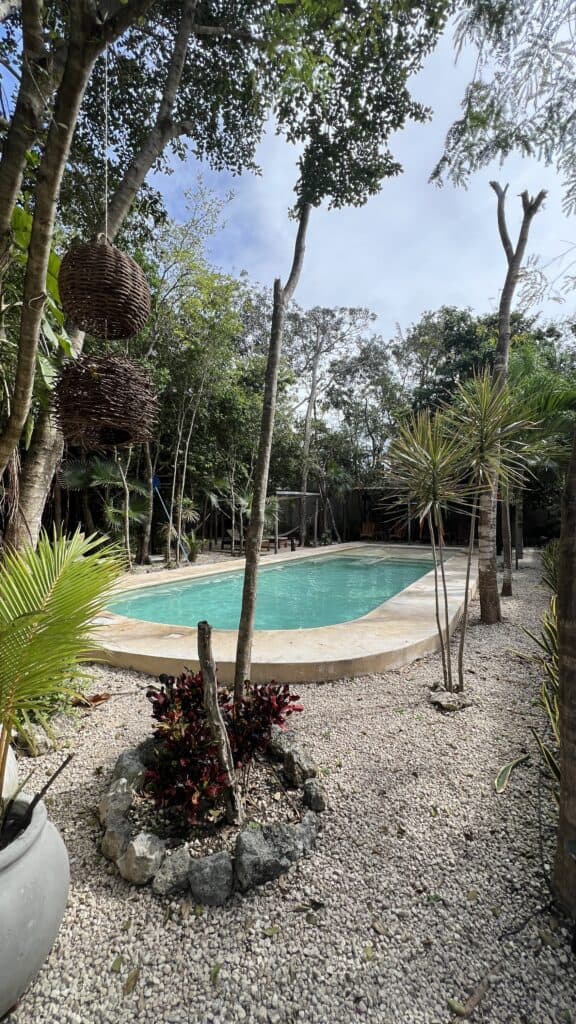
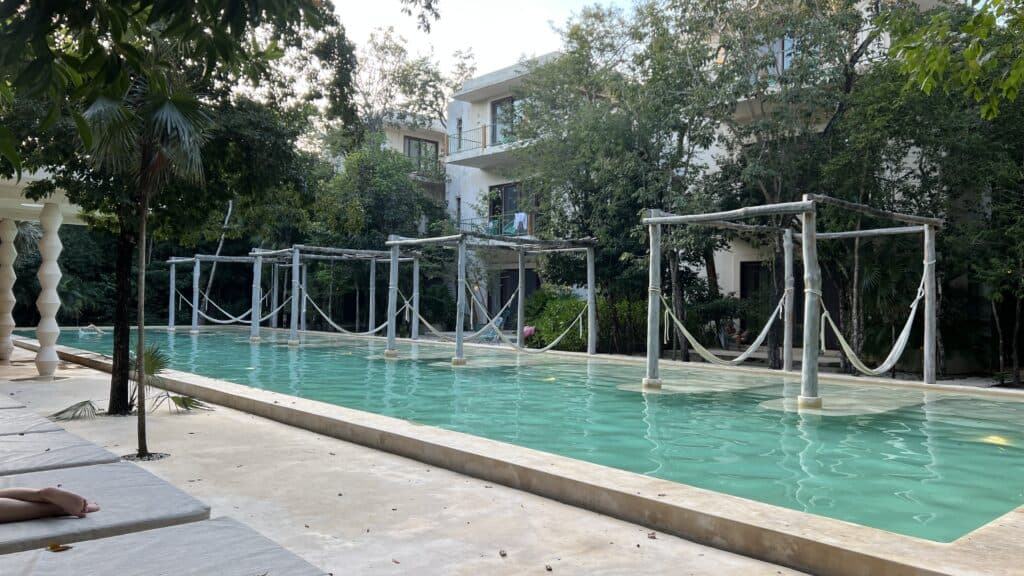
I stayed at Aldea Xaan Ha Tulum, which is located slightly back from the beach in a quieter residential area. This ended up being a really good choice because it offered a break from the busier main roads while still being accessible to everything I wanted to see. Plus, they have a great restaurant on-site. Staying inland like this gives you more space, better value, and a quieter environment, but it does mean you’ll need to think more about transportation when heading to the beach or exploring nearby cenotes.

Another place worth mentioning is Hotel Holistika, which I didn’t stay at but did visit (I also have a friend who goes to Tulum every year and always stays here). It has a strong wellness-focused atmosphere, with yoga, art installations, and a distinctly bohemian feel that reflects the side of Tulum many people come for. It leans heavily into that westernized wellness aesthetic, but if that’s what you’re looking for, it’s a great fit.
If you’d prefer to stay directly on the beach, Sana Tulum offers a boutique experience right on the water.
Getting Around Tulum
One of the most important things to understand before arriving in Tulum is how transportation works. The town itself is separate from the beach, and getting between the two is not as seamless as you might expect.
Taxis are widely available, but they are known to be expensive due to local pricing controls, so relying on them for every trip can add up quickly. While there is now a train servicing parts of the Riviera Maya (between places like Playa del Carmen and Tulum), the station is located outside of town, so it doesn’t fully solve local transportation challenges.
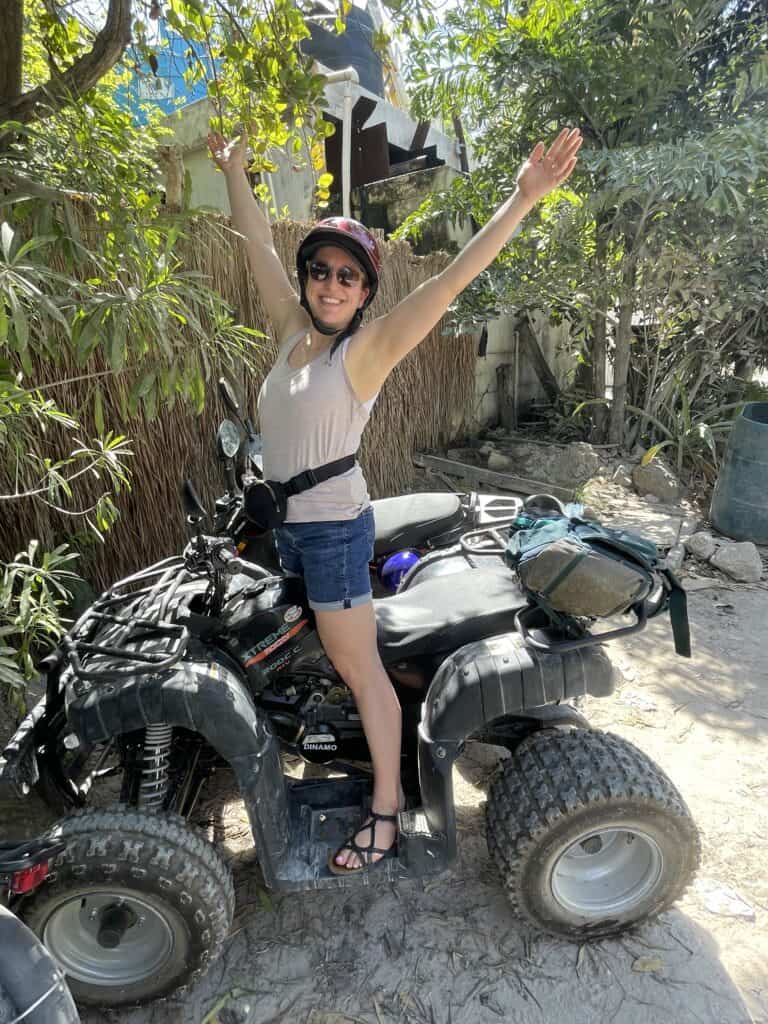
If you’re staying for more than a couple of days, it’s worth having your own way to get around. Many travelers choose to rent bicycles, which works if you’re comfortable in the heat and plan to stay relatively close to town. Your hotel may offer you a way to rent bikes, otherwise you can check out this list of equipment hire companies and find one closest to your hotel. Others opt for scooters or ATVs, which offer more flexibility and were what I personally found most practical during my stay. Plus, they are fun to drive! If I were planning the trip again, I would likely rent a car directly from Cancun airport, especially to make it easier to visit multiple cenotes and explore beyond the immediate area.
Best Things to Do in Tulum
Visit the Beach and Beach Clubs
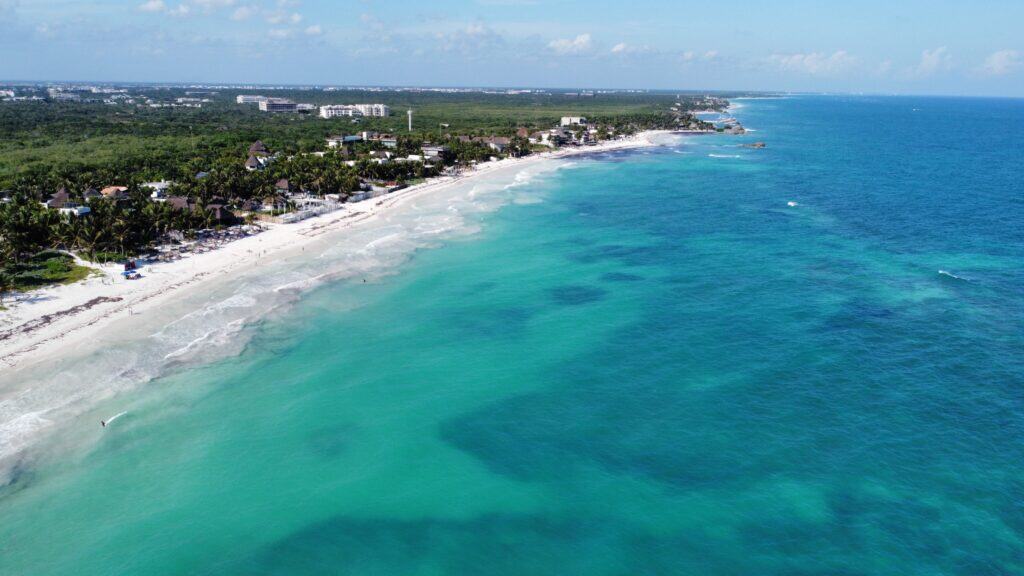
Tulum’s coastline is one of its biggest draws, with soft white sand and clear turquoise water that stretches for miles. While some areas are lined with boutique hotels and beach clubs, you can still find quieter stretches depending on where you go.
If you’re not staying directly on the beach, spending a day at a beach club is a great way to enjoy the area. Most places offer loungers, food, and drinks in exchange for a minimum spend, which makes it easy to settle in for the day. I really enjoyed Soy Beach Club.

Explore Cenotes Around Tulum
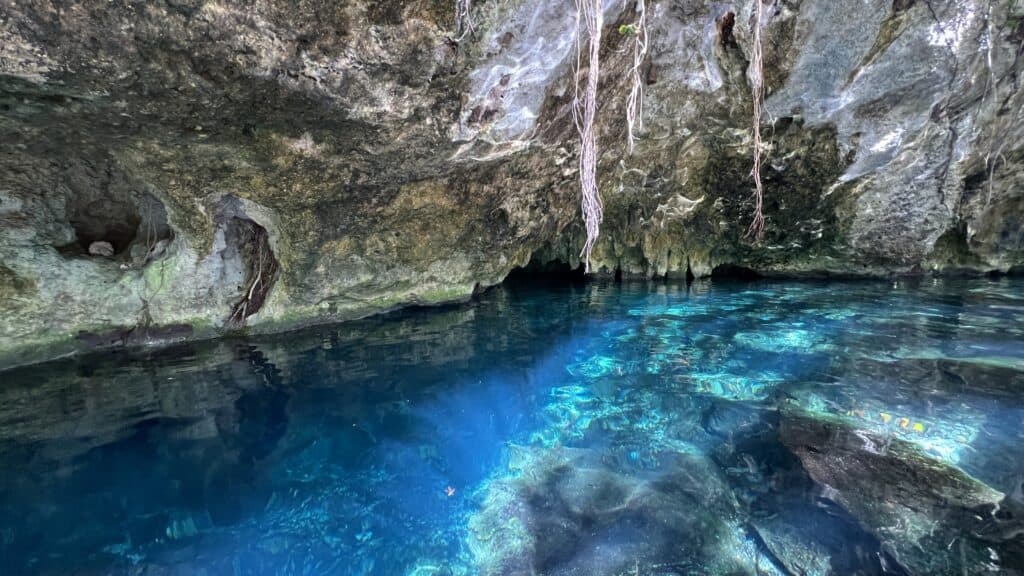
Cenotes are one of the highlights of visiting Tulum, and some of the best are located just minutes from town. These freshwater sinkholes were sacred to the Maya and are now some of the most unique places to swim in the region. What makes Tulum especially appealing is how accessible these cenotes are. You can reach several within a short drive or bike ride, and many of them vary widely in style, from open-air pools to partially enclosed cave systems.
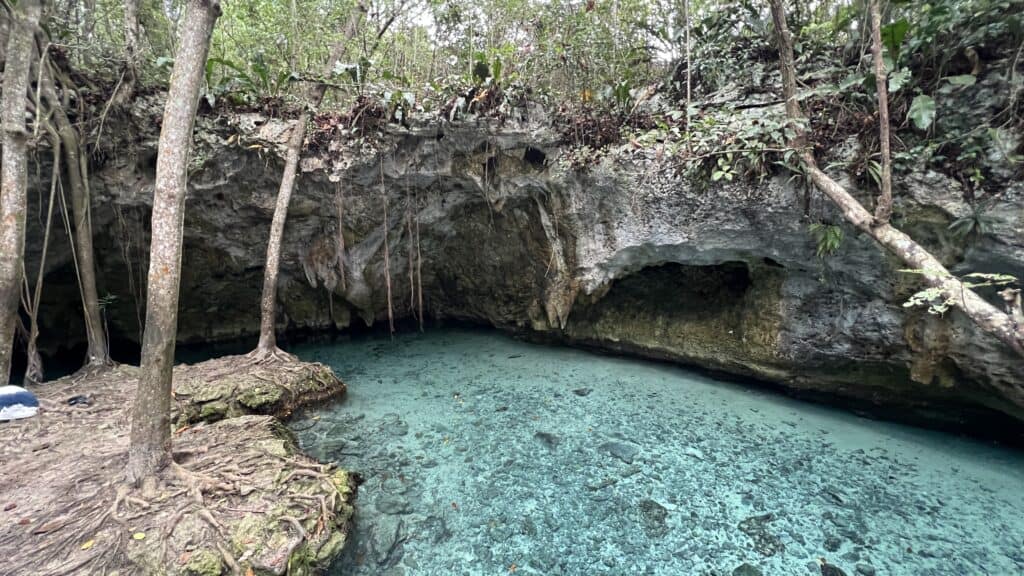
Some of the most notable cenotes in and around Tulum include:
You can also head slightly farther out to explore more remote options along the jungle roads west of town. If you prefer a guided experience, you can book one here.
Don’t forget a bathing suit, towel, water shoes, and if you have your own googles or snorkeling gear, bring it. You can sometimes pay for a locker at the cenotes, but if not, try to travel light and leave valuables at home.
Visit the Tulum Ruins
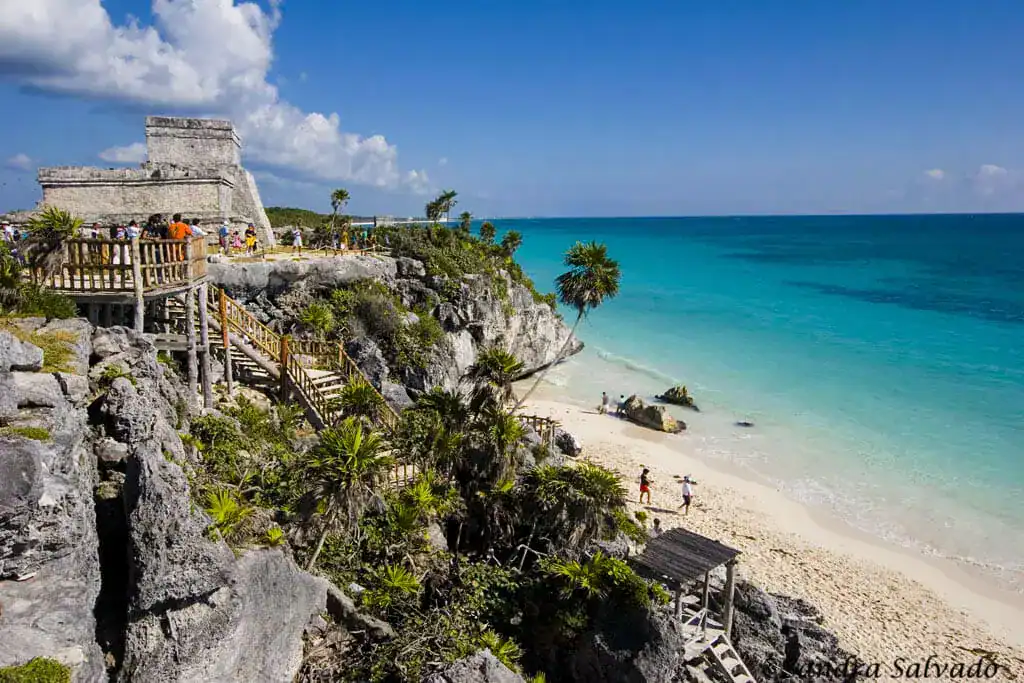
One of the unique things about Tulum is that you don’t need to travel far to see Mayan ruins. The Tulum archaeological site is located right along the coastline, offering a combination of history and ocean views that you won’t find anywhere else in the region. You can go yourself or do a guided walking tour.
Take Day Trips to Major Sites
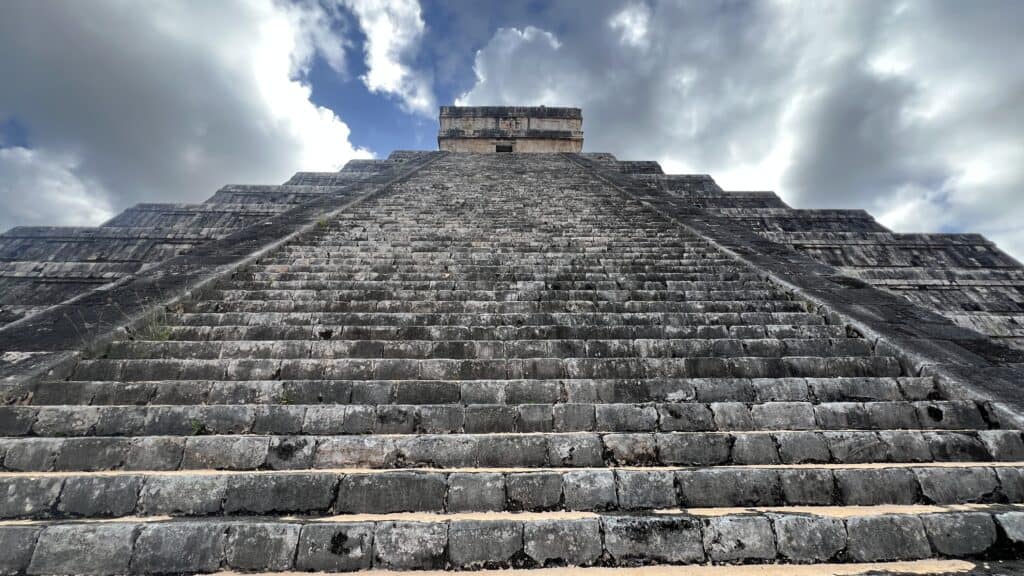
Tulum is also a great base for exploring some of the most important sites in the Yucatán Peninsula. Chichen Itza remains one of the most iconic destinations, known for its massive pyramid and its role as a major center of Mayan civilization. Many tours combine Chichen Itza with cenote visits or stops at other archaeological sites like Ek Balam, making for a full but rewarding day.
Extending your trip past Tulum
If you have extra time, there are a couple of standout destinations worth adding to your itinerary. Cozumel is known for its clear water and excellent snorkeling and diving, while Bacalar offers a completely different experience centered around a freshwater lagoon known for its striking shades of blue.
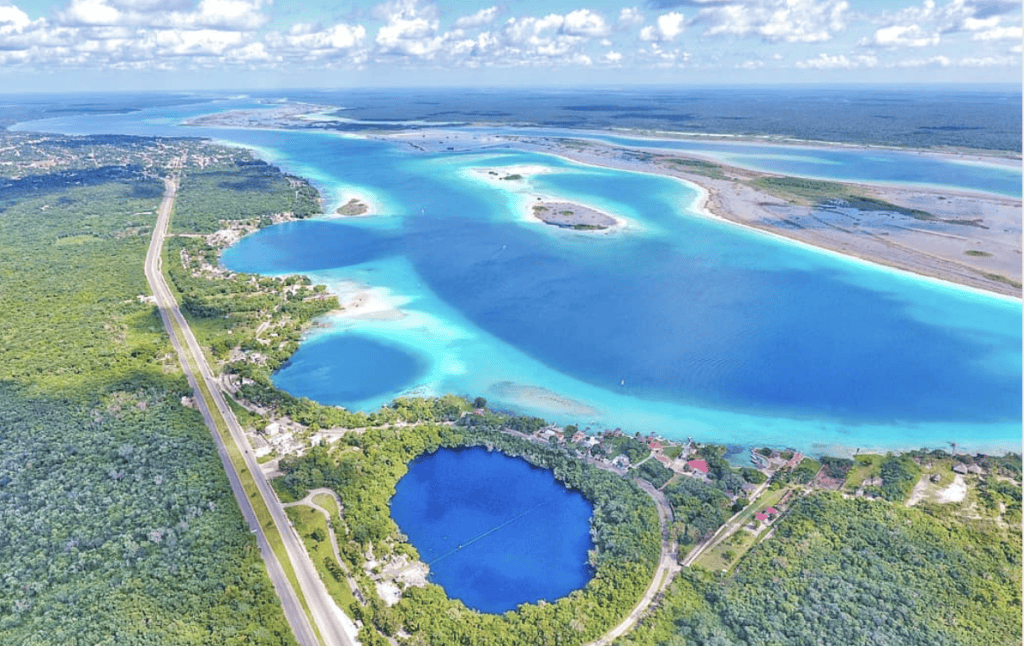
In both destinations, I would recommend staying overnight at least 1 day (in Cozumel) or multiple days in Bacalar. Cozumel is a 2 hour drive plus ferry from Tulum, and Bacalar is a 2.5 hour drive.
Best Restaurants in Tulum
Tulum has a surprisingly diverse food scene, ranging from casual local spots to more elevated dining experiences.
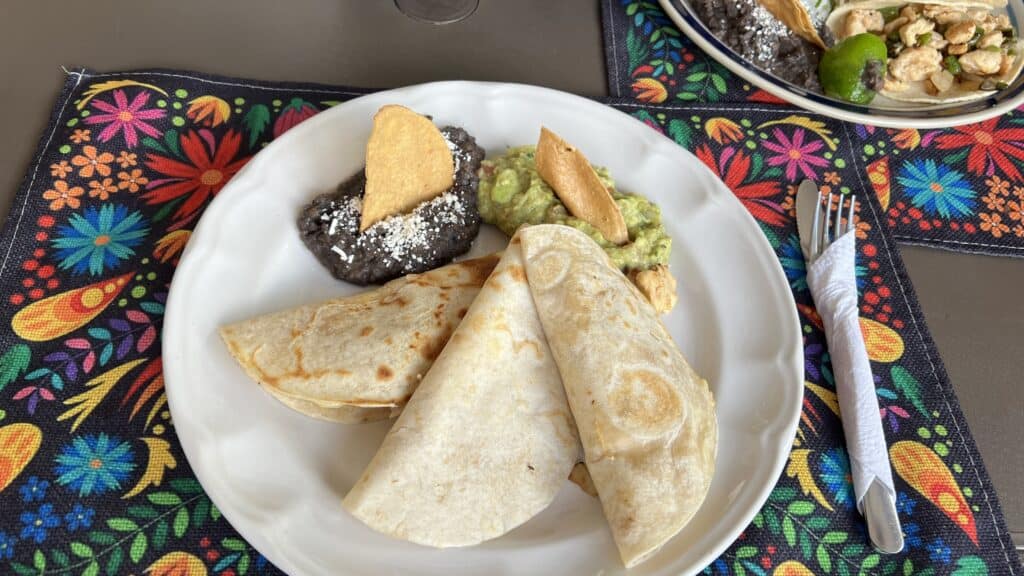
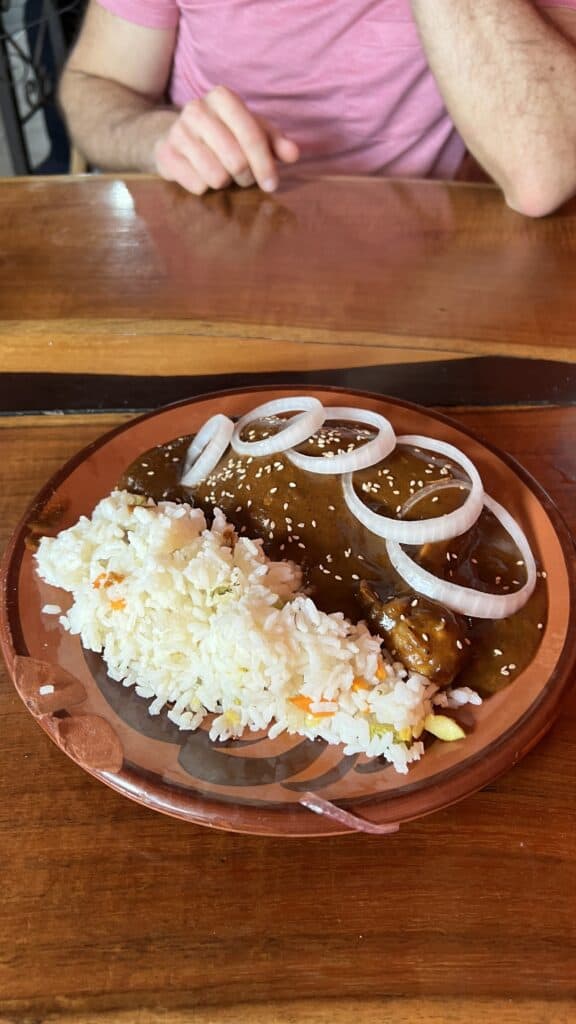
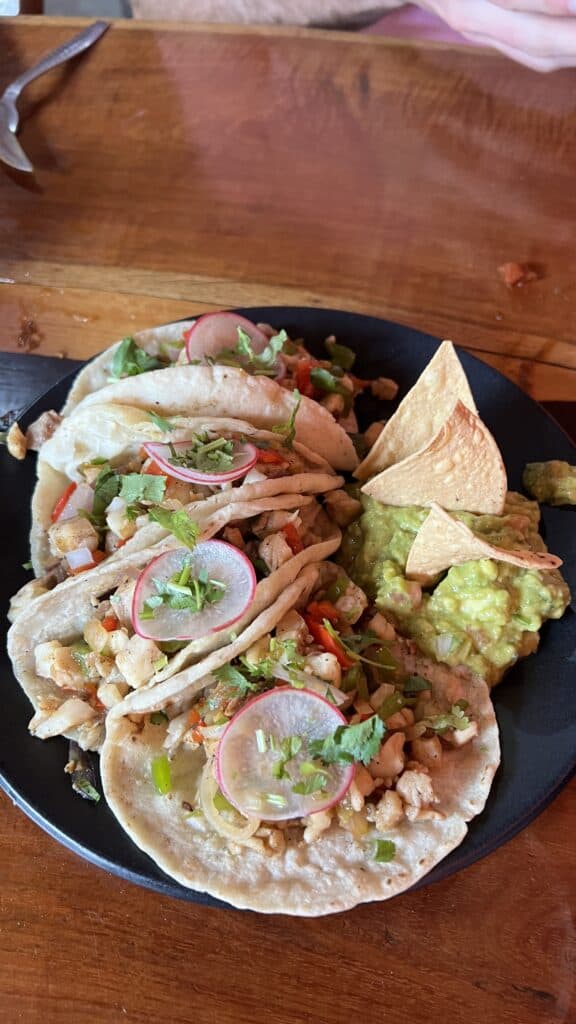
Some of the places I enjoyed most include:
- Sun Love Cafe for plant-based options and relaxed breakfasts
- Batéy Mojito and Guarapo Bar for drinks and a lively atmosphere
- Taqueria Maya for simple, authentic tacos (you know they are legit because they don’t have a website!)
- Panaderia Amarella for baked goods
- Holistika’s Tierra restaurant – worth visiting even if you’re not staying there, as it offers a unique setting and a more wellness-focused menu.
When to Visit Tulum
Tulum is a year-round destination, but timing can significantly impact your experience.
Best months: December to April: Dry season, best weather, higher prices
Shoulder season: May to June: Good weather, fewer crowds, occasional heat
Things to watch out for:
- Hurricane season: August to October
- Seaweed (sargassum): Typically peaks between May and October, but varies year to year. Even during seaweed season, many cenotes and inland activities remain unaffected.
Final Thoughts: Is Tulum Still Worth Visiting?
Tulum is no longer the quiet, off-the-beaten-path destination it once was, and it’s important to go in with that understanding. It has grown quickly, and with that growth has come higher prices, more traffic, and a busier atmosphere. That said, it still offers something unique. The combination of beach, jungle, cenotes, and Mayan history is hard to find anywhere else, and if you plan your time well, you can still have an incredible experience. It’s best suited for travelers who are drawn to a mix of nature, wellness, and design-forward spaces, and who don’t mind navigating a bit of complexity to access it all.