Backpacking Gear for the Pacific Crest Trail
I’ve spent the last 8 months researching and testing various gear to figure out what I should bring on my 500 mile LASH (long ass section hike) of the Washington Pacific Crest Trail. Below are all the items I’ll be bringing!
The Big 4: Backpack, Tent, Sleeping Bag and Pad
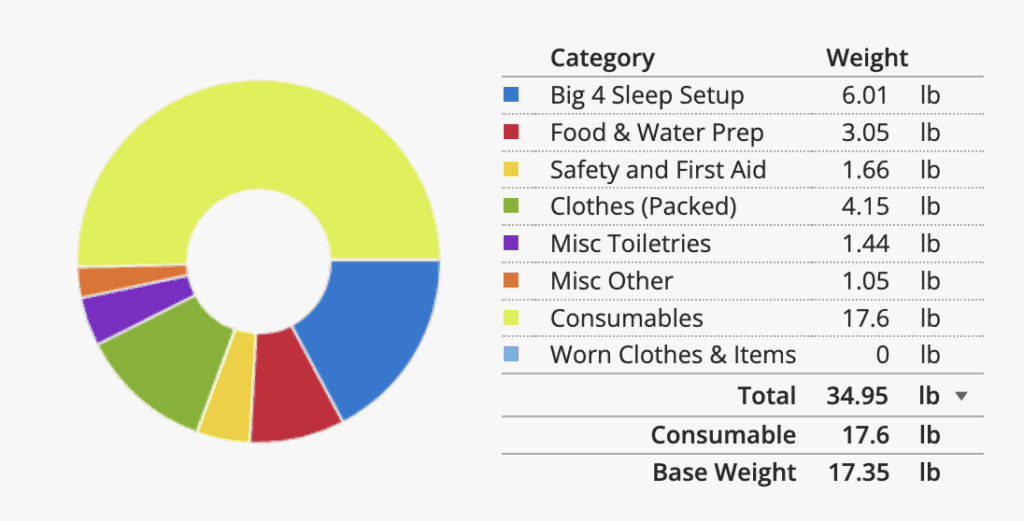
In the backpacking world, the big 4 are your pack, sleeping bag, tent, and pad. These 4 items usually weigh the most and therefore is where the most weight savings can happen. I was hesitant to reinvest in this gear because I already owned one of each, but I have managed to shave almost 10 pounds of base weight by investing in the best gear around. My big 4 weight is 6lbs total. Here’s what I’m carrying:
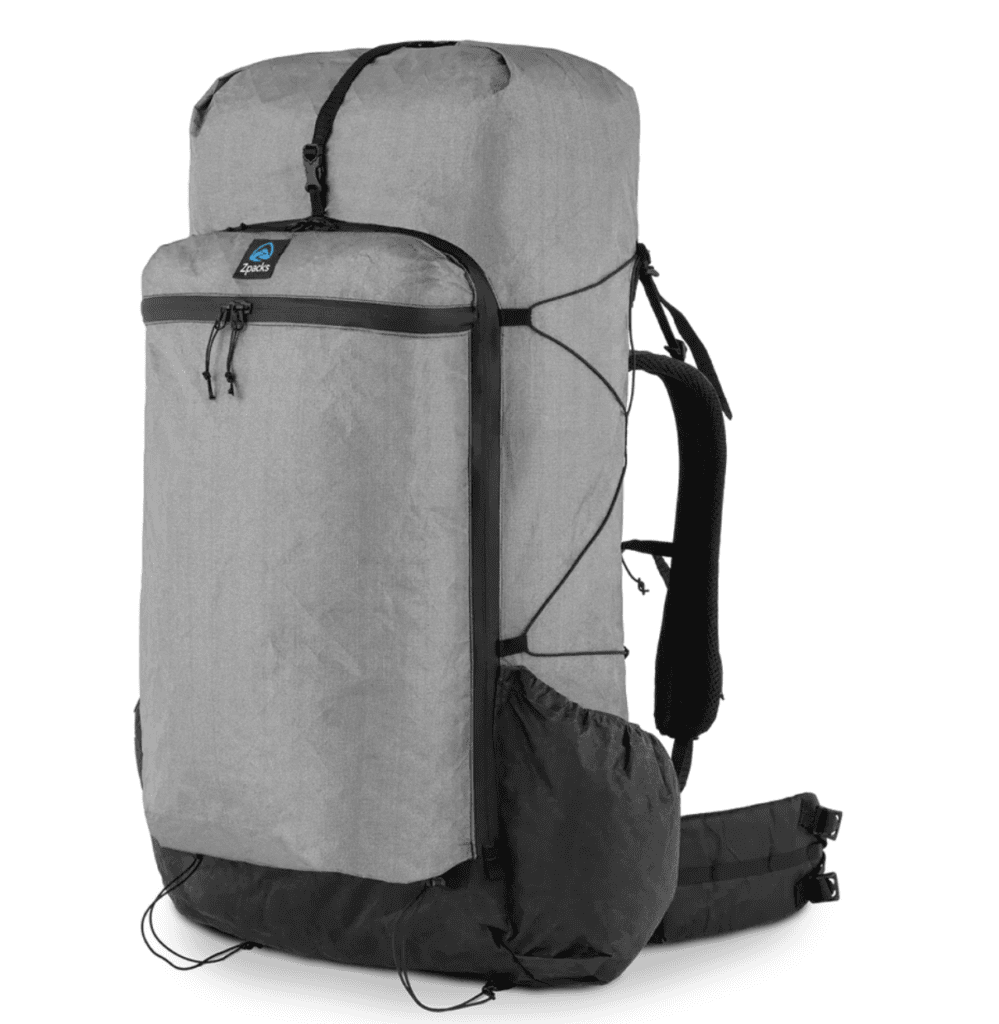
Backpack: Women’s Arc Zip Ultra 62L Backpack
The Women’s Arc Zip is a completely customizable backpack. I added on 2 hip belts, a water bottle holder for one shoulder strap and a zip + mesh holder for the other shoulder strap (to hold my bear spray). I’ve also added on a couple bells and whistles like the emergency whistle and the hiking pole holsters. I got the women’s smaller straps and a short torso size. It weights 23.9oz or 1.8 lbs. My last pack was a 70L Osprey that weighed over 5 lbs.
Tent: Durston X-Mid Pro 2+
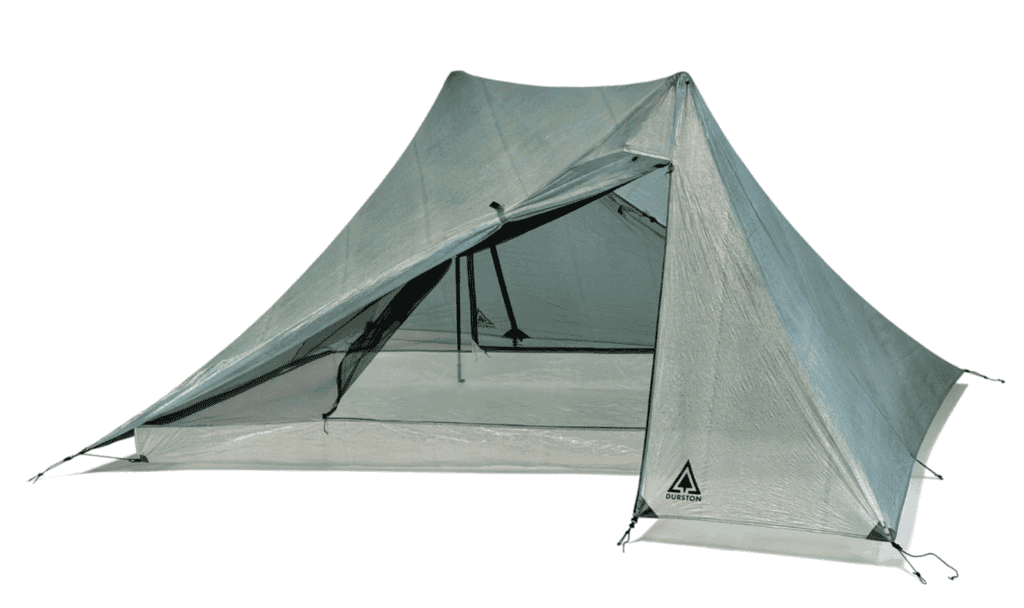
The Durston X-Mid Pro 2+ really is a palace as advertised. It is super spacious for a tent that only weighs only 19.2oz or 1.8 lbs (with the stakes, ground sheet and bag) making it one of the roomiest, lightest tents on the market. You don’t have to compromise on comfort as a result. It is a hiking pole tent too, which is how it saves on weight, so it takes a little practice to learn how to pitch it correctly. Still, once you get the hang of it, it’s super straightforward!
Sleeping Bag: Western Mountaineering AlpinLite
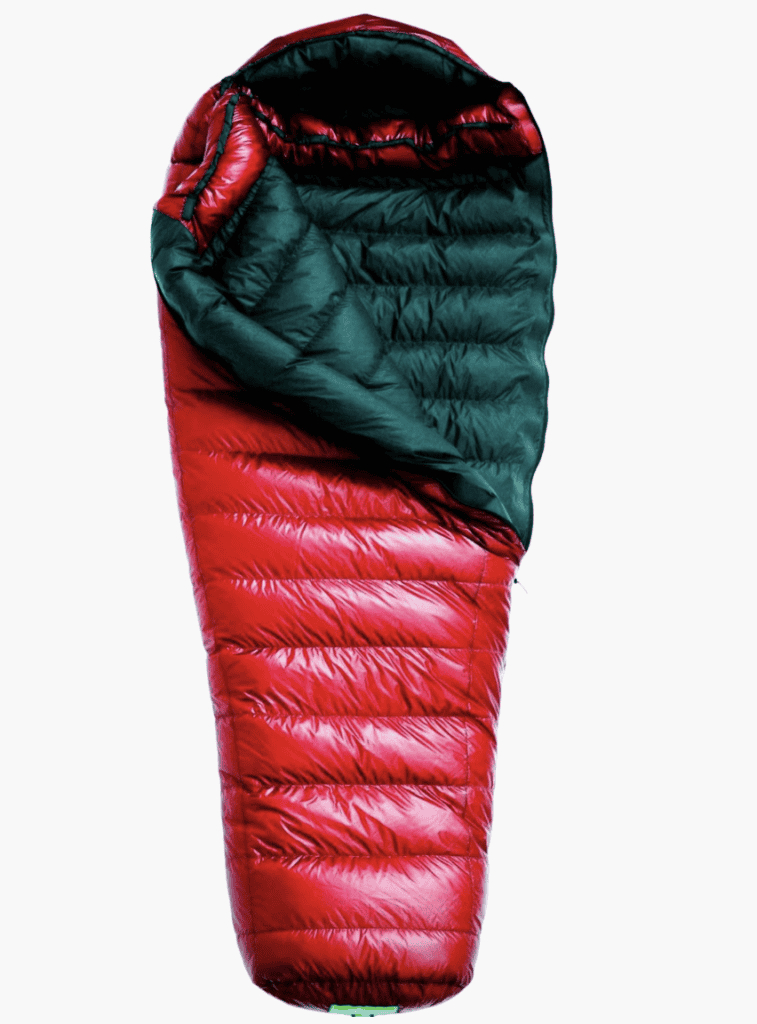
The AlpinLite is one of the warmest, lightest weight sleeping bags (at 1.13 lbs) out there that is mummy shaped but also roomier in the arms, which I wanted because I’m a side sleeper who tosses and turns quite a bit. I was also able to get it in a pretty small size (5’6″), which I like because I’m very short and that way I’m not losing heat in the bag but I still have room to throw my clothes in the bottom so they are warm and toasty come morning. I opted for down versus synthetic because I just find down to be super cozy and I’m not worried about it getting wet. I opted for a mummy versus a quilt because I run very cold at night and again, like to feel cozy and the mummy shape that fully zips offers that. A lot of ultralight backpackers will sing the praises of quilts but they seemed like they’d be drafty and because I camp in high elevation, colder environments in the summer, I need more warmth. The AlpinLite is rated to 20 F (-6 C).
Sleeping Pad: NeoAir XTherm NXT by Therm-A-Rest
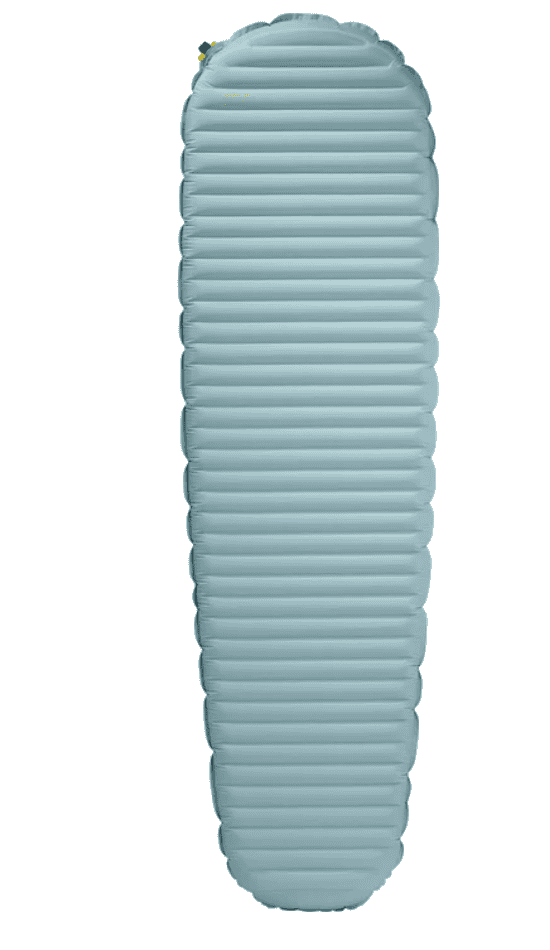
The NeoAir XTherm is the go-to by many thru-hikers for a sleeping pad. It’s a no brainer because it weighs less than a pound, rolls up to nothing and is easy to inflate and deflate. I coated mine with some Plasti-Grip Spray to make it so I don’t slip off of it, because it is pretty slippery.
A little extra – a pillow
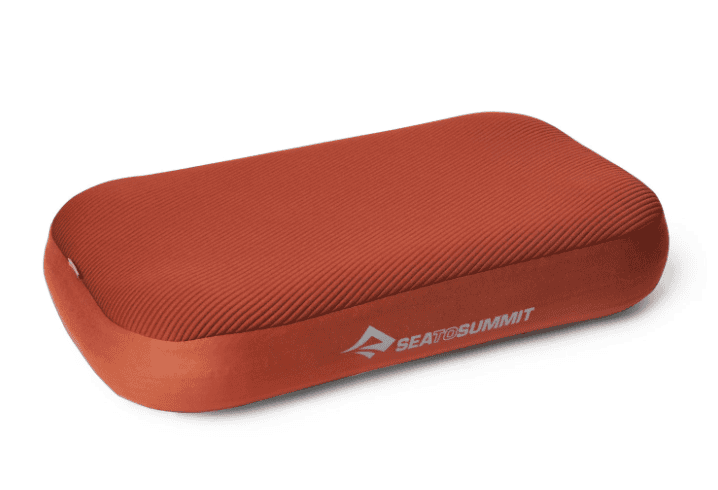
Yeah, maybe it makes me a princess, but I bring the Sea to Summit Aeros Premium Pillow and it’s worth every penny of the great sleep and neck support I get. You could just sleep on your puffy or a dry bag of your clothes, but that sounds clumpy, no? It weighs 0.2 lbs and folds to nothing.
Cooking Tools
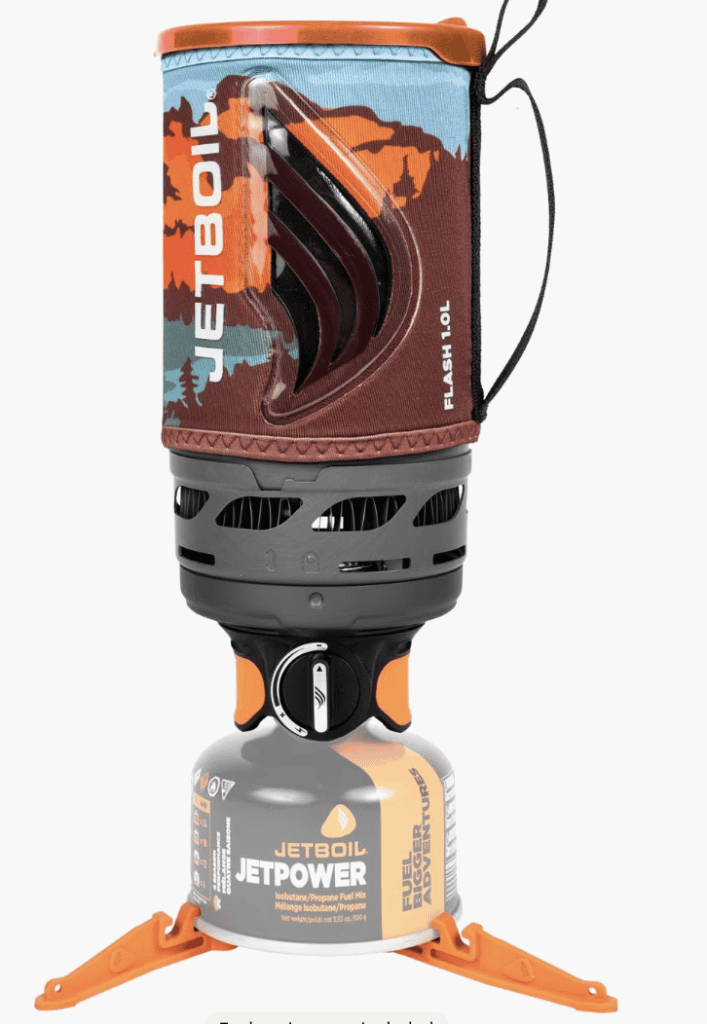
How you manage your food and water on the trail can be quite a personal choice, and here’s mine. For cooking, I am using a Jetboil. While it’s not the lightest weight stove you can bring, it boils water in less than a minute and uses up very little fuel, which saves you time, money and energy and weight later on. On a 1 week backpacking trip, I used only 1/4 of a tiny 100mL container of fuel!
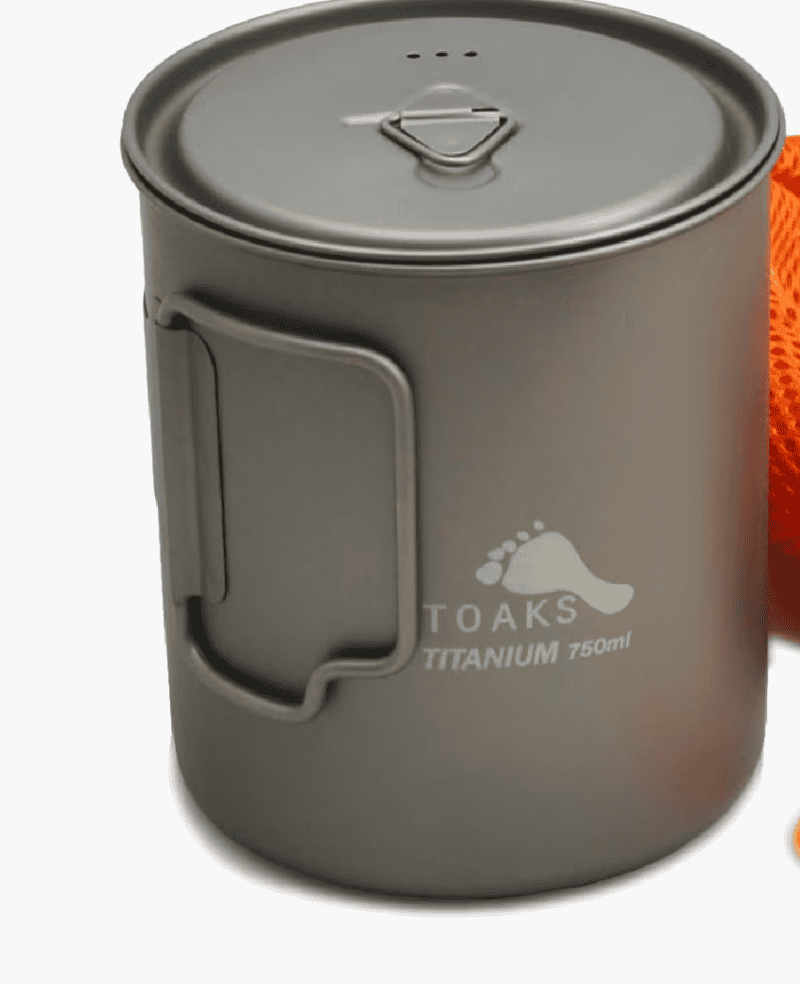
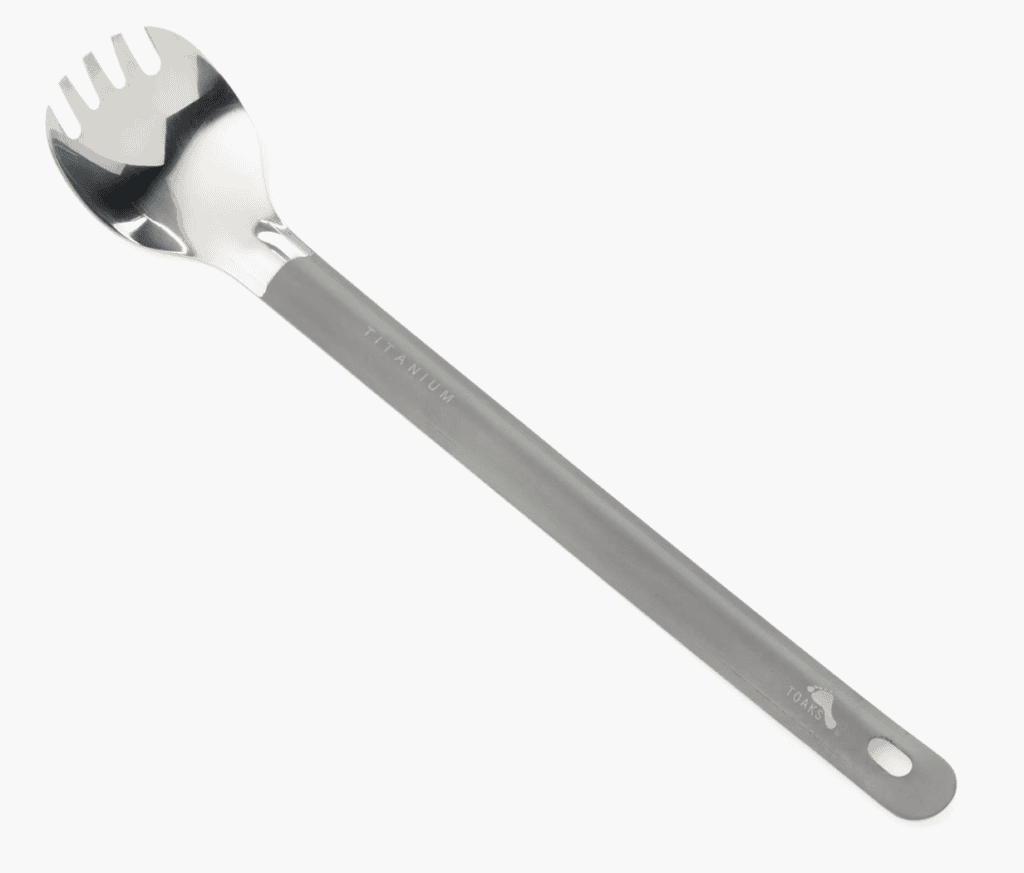
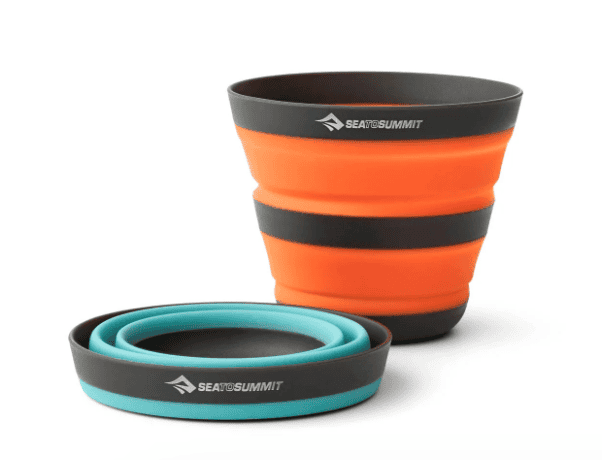
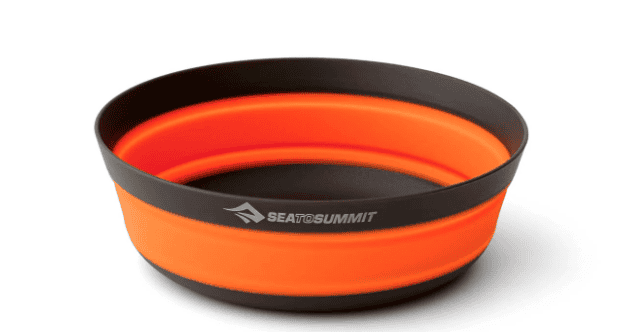
I then will rehydrate my food in a Toaks 750mL pot. I could technically just cook directly in the Jetboil, but then all my boiled water would taste like whatever I had cooked. I also have a Toaks long handled spork (helpful for the deeper dehydrated food packs) and a set of a collapsable Sea to Summit cup and bowl. Together, these items weigh 1.4lbs.
Water Purification Tools
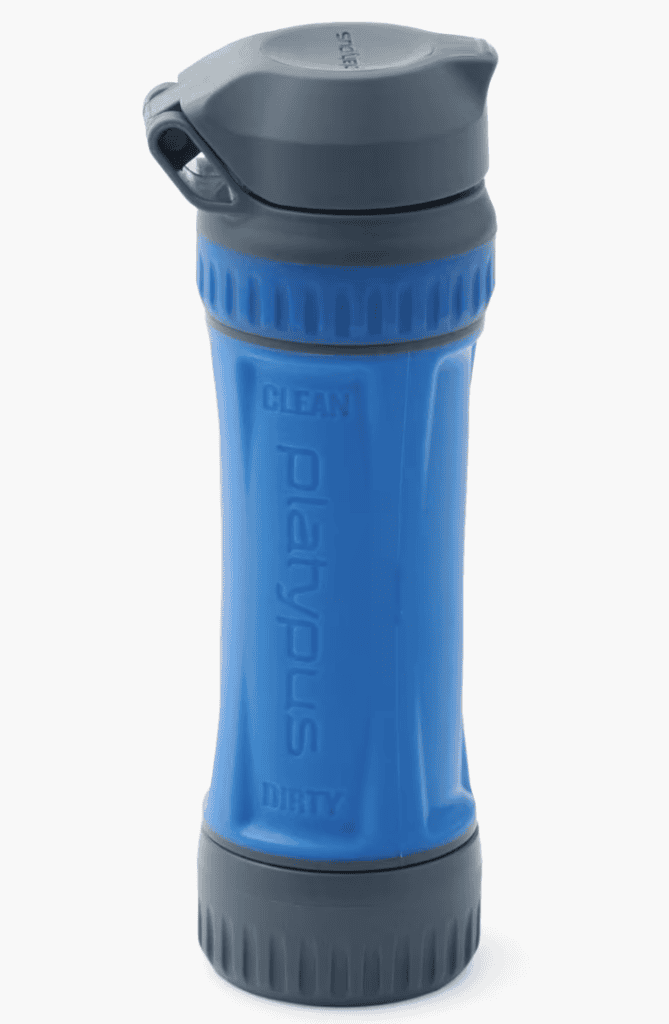
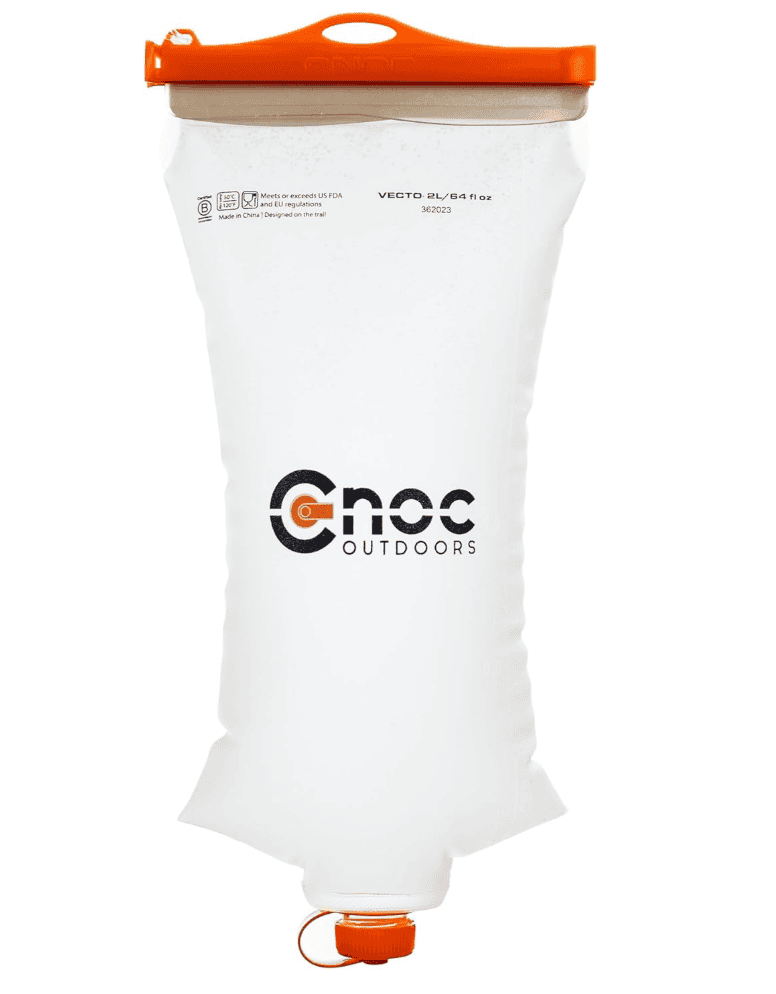
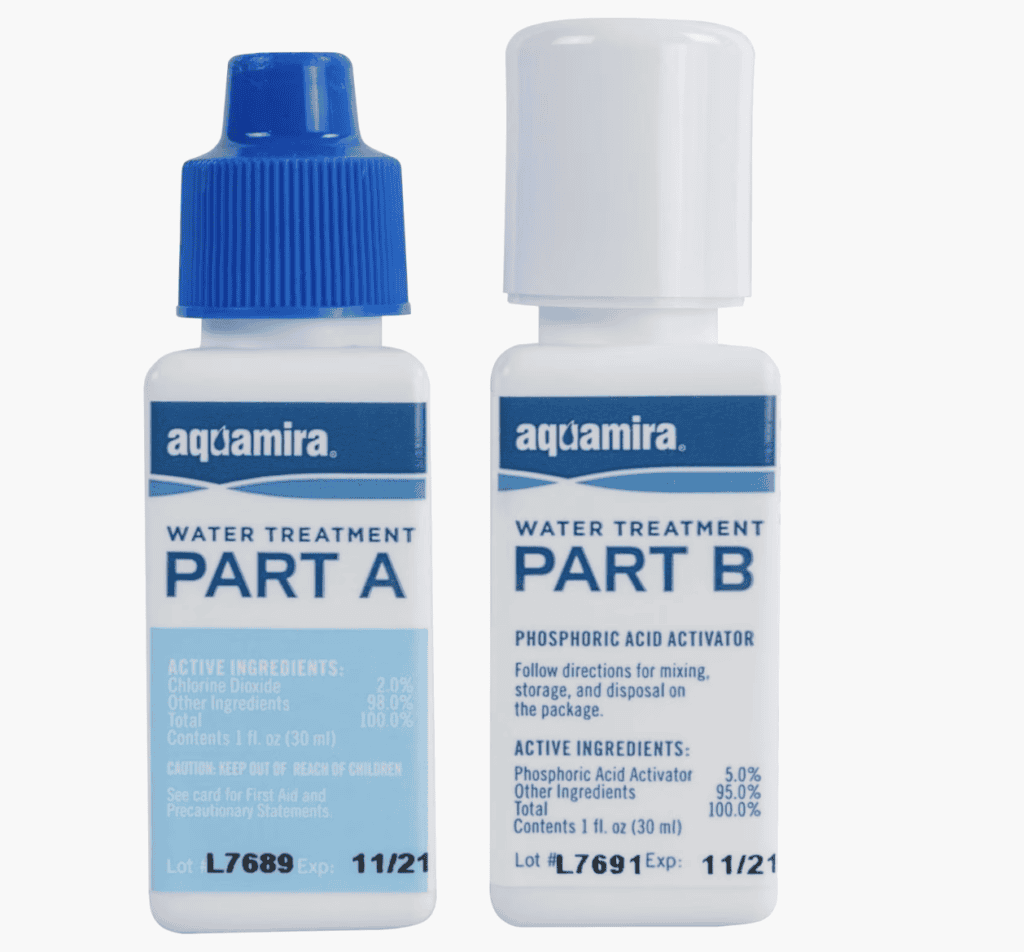
In order to always have plentiful drinking water, you have to filter streams and lakes in the backcountry. I’m using a Platypus QuickDraw in combination with some plastic SmartWater Bottles and Platypus collapsable water bags. I also have backup Aquamira tablets. Together these items weigh 0.6 lbs.
Food Storage
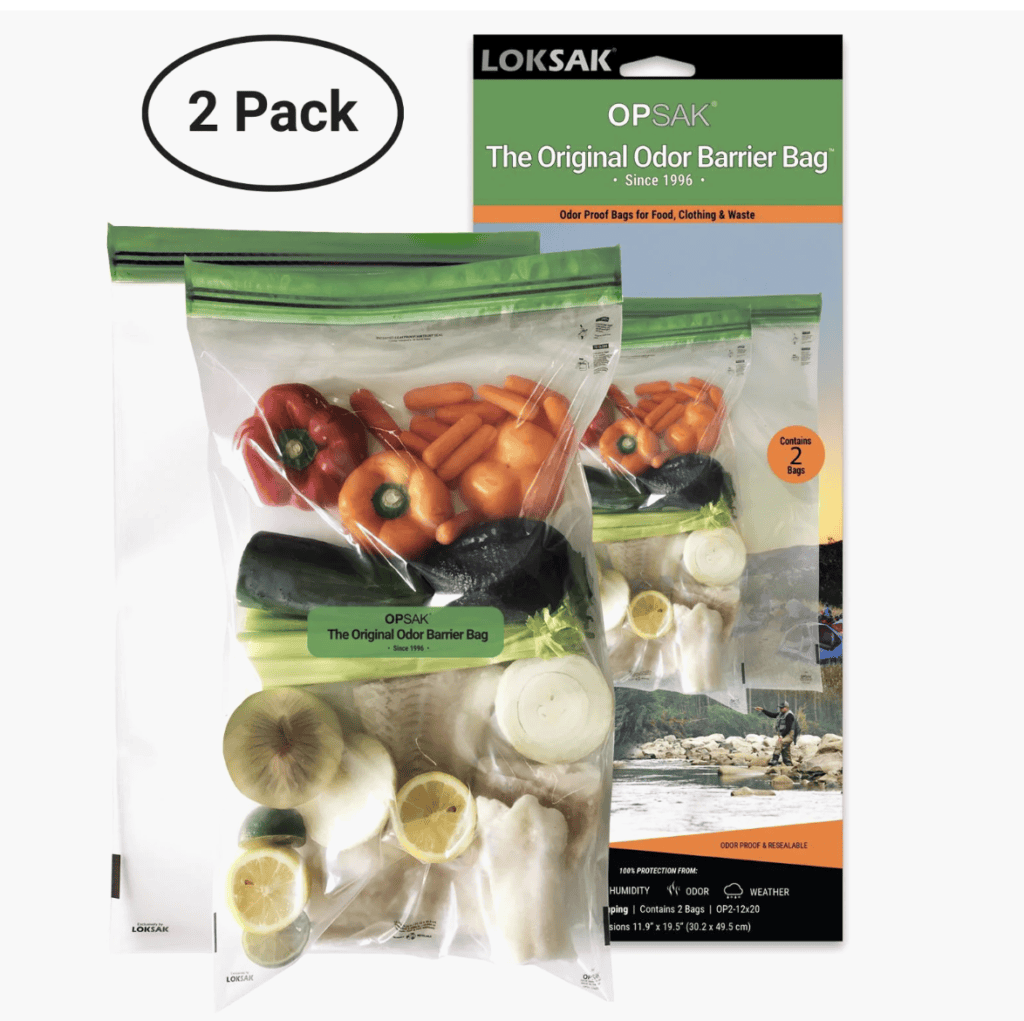
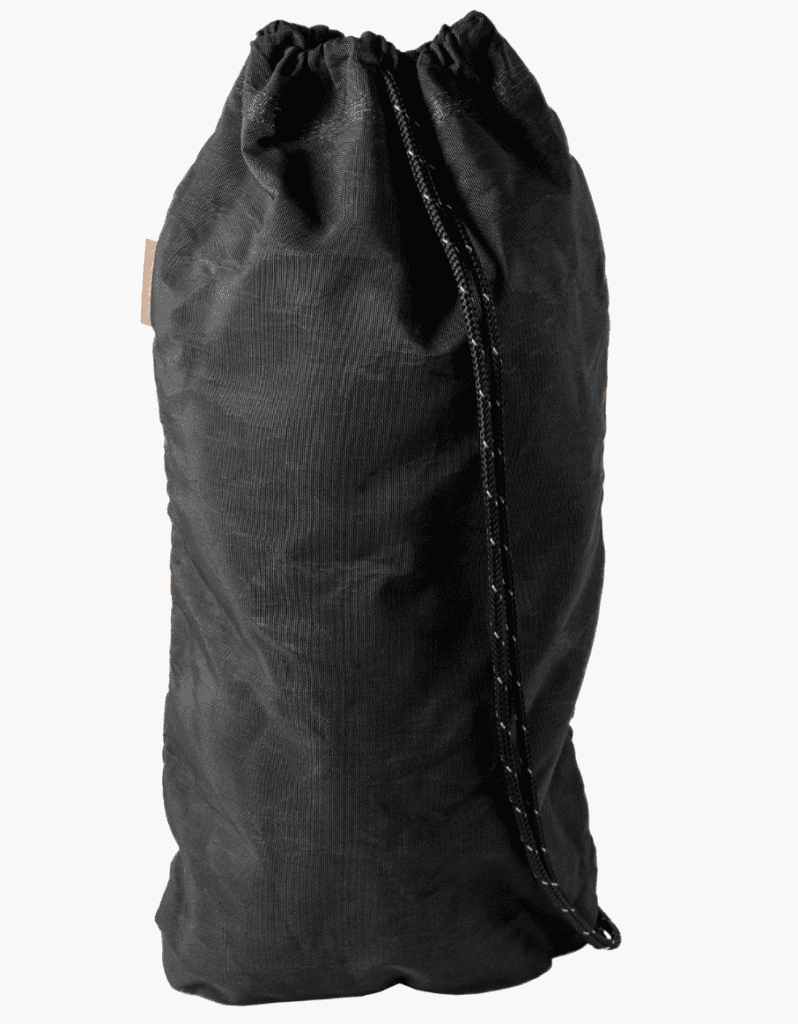
You have to be bear aware in the backcountry, so I’m using an Ursack AllMitey Bag which protects against both bears and critters alike. You have to pair it with a scent reduction bag, which I use the 12″X20″ Loksack Opsak bags. I use about 1.5 of these for a week of food. Together these weigh 1lb.
Safety and Electronics
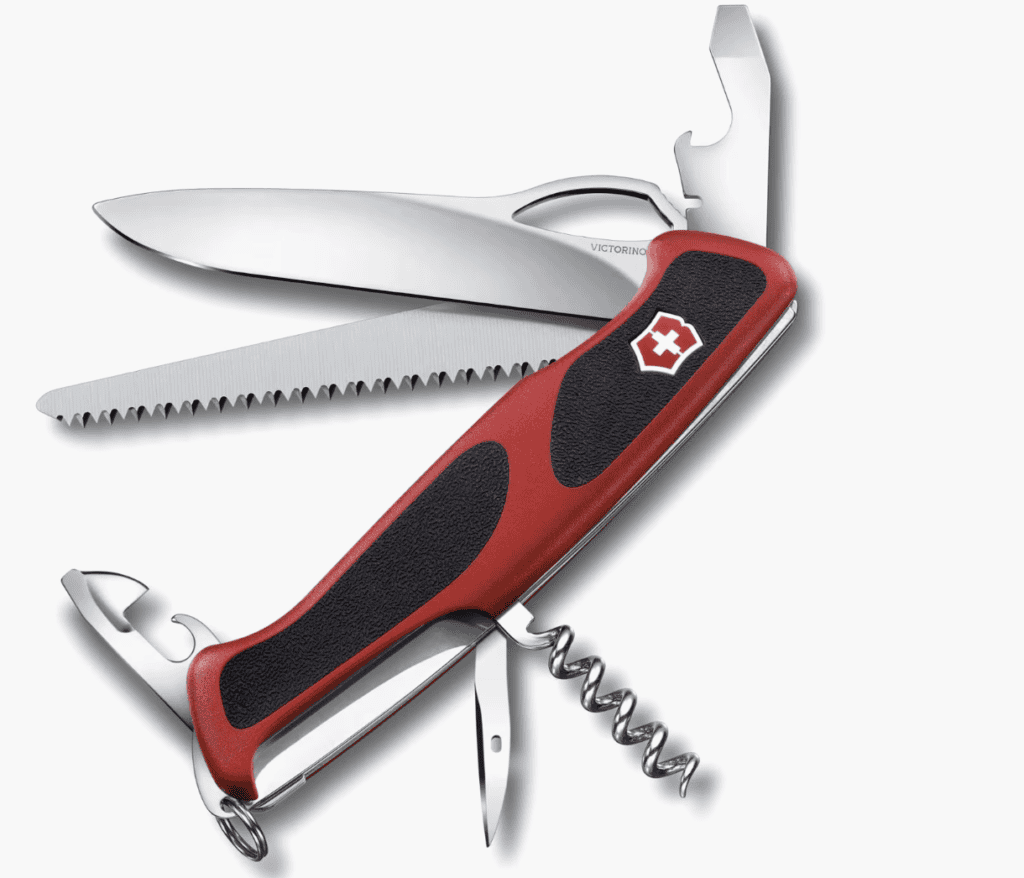
I have a Swiss Army knife multi-tool that among other things, is useful for cutting bandages or opening food packages.
I carry a customized first aid kit, with bandages of all shapes and sizes, leuko tape, ace bandage, pepcid, advil, antibiotics, needle, antiseptic, antibiotic cream, and more.
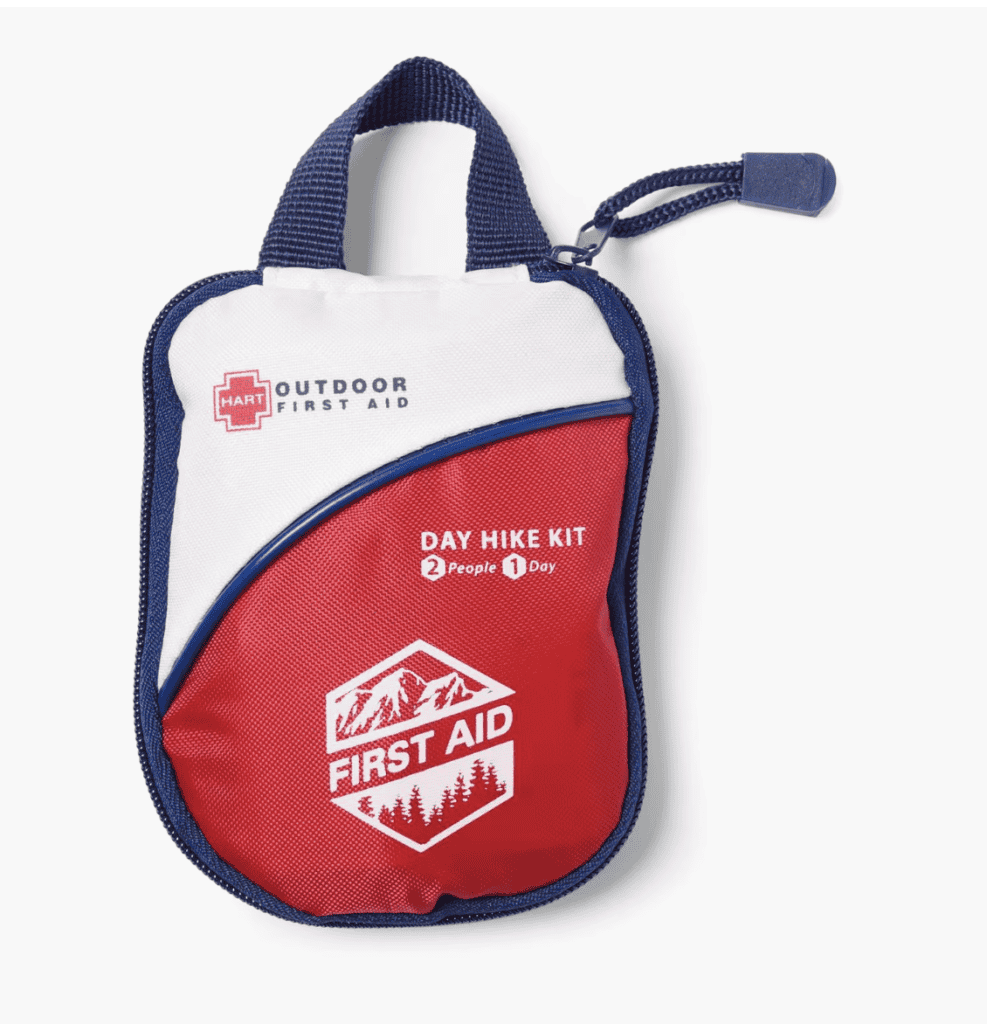
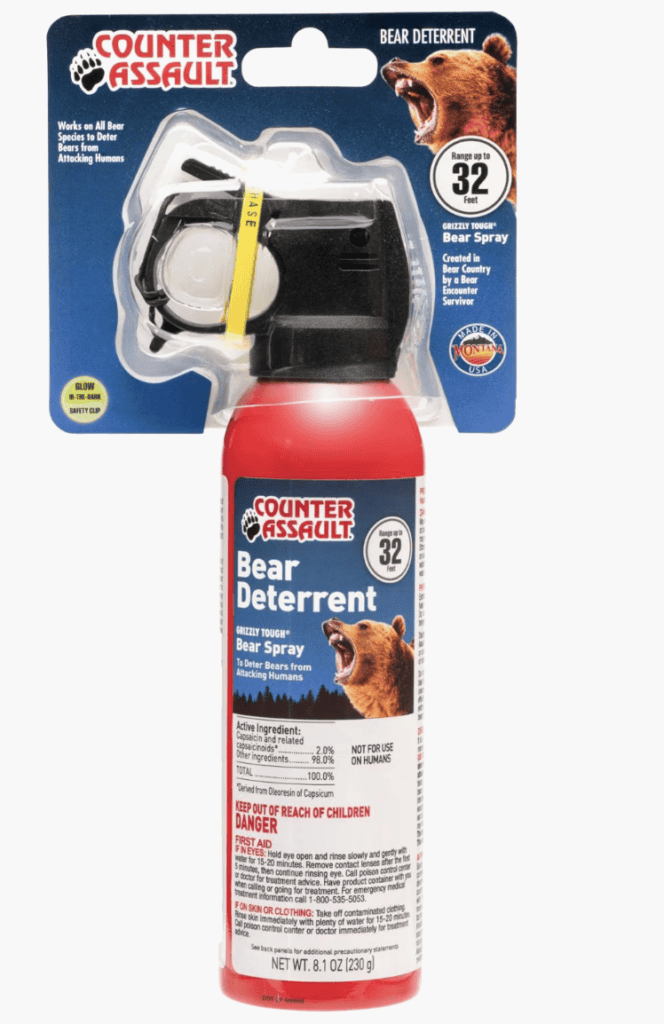
I always pack bear spray, which is to be used as a last resort during a bear or cougar attack. Make sure to watch some videos online on how to properly use it in case you ever have to.
In order to charge a headlamp, phone, kindle, watch and headphones, I need a lot of juice, which I’m getting in a 20,000 mAh power bank. You could probably get away with a lighter 10,000 mAh but it’s nice to not have to worry about it. This is a splurge item for me.
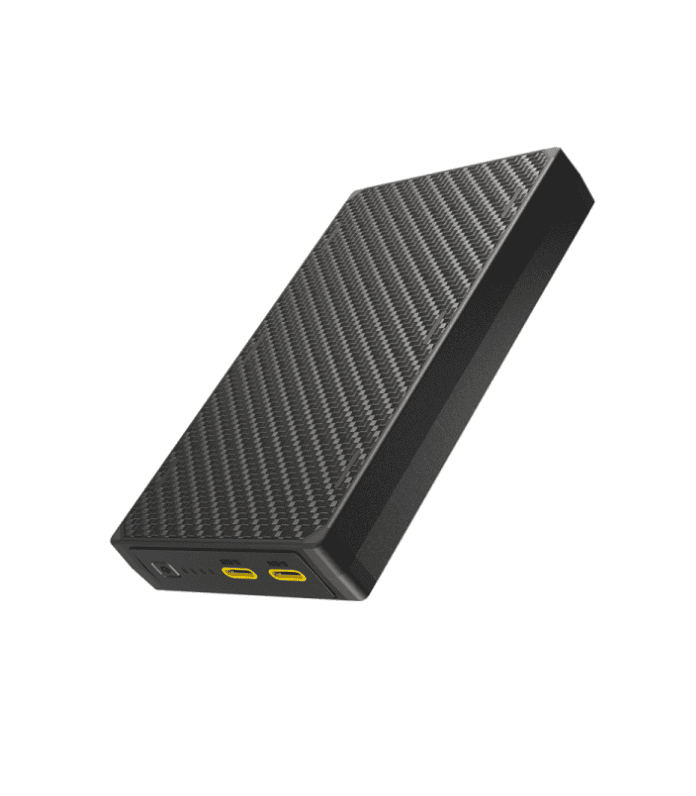
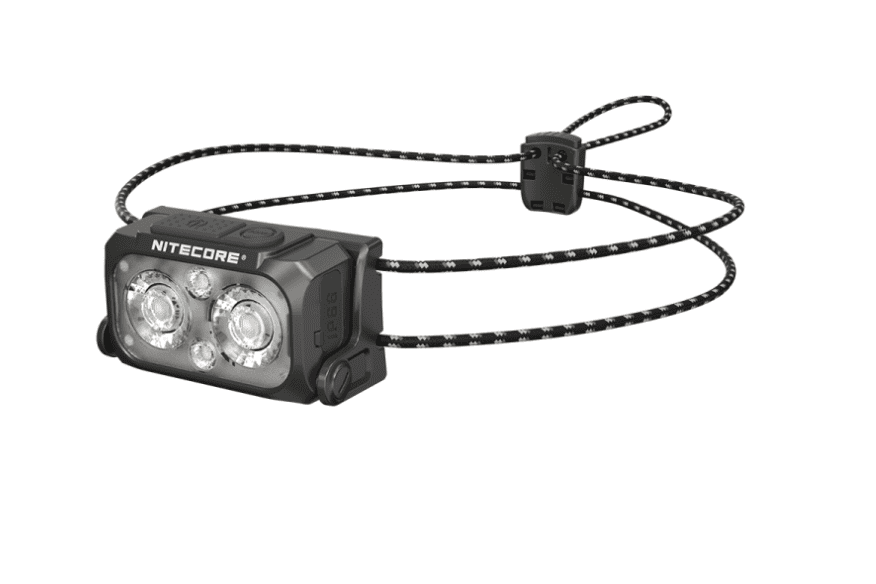
My headlamp is a Nitecore NU25 MCT UL, which is ultralight and quite powerful.
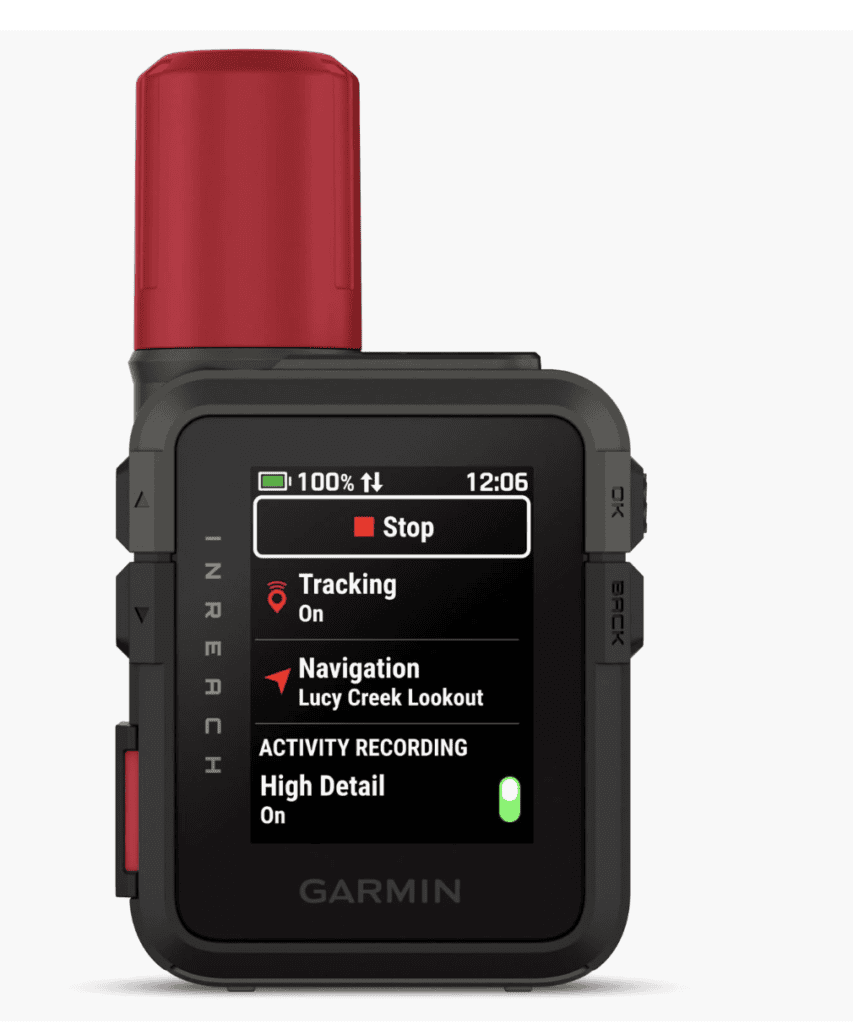
I carry a satellite messenger called a Garmin InReach. It’s my ‘panic button’ tool and also allows me to communicate with family while without cell service. It has maps and weather forecasting too!
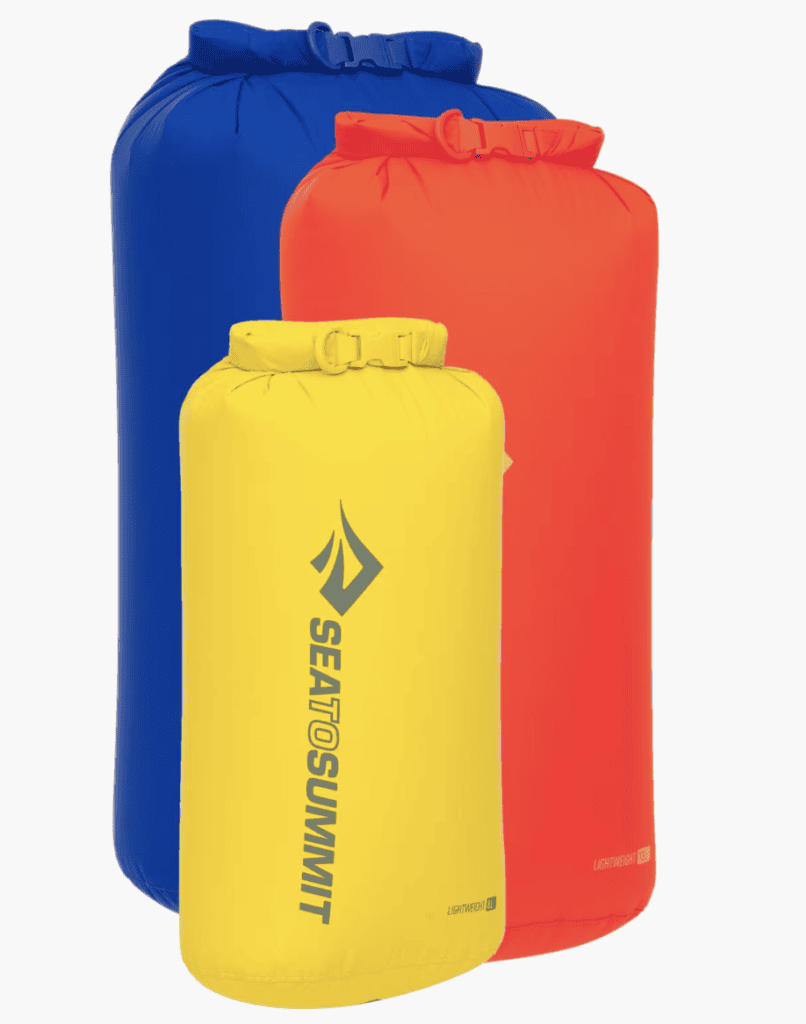
I have a few drybags I use for my sleeping bag and clothes. There’s nothing worse than wet stuff, and it’s dangerous too.
Finally, I always have a spare lighter, in case I need it for medical reasons or if my pilot light for my jetboil goes out. You need redundancy on the important stuff! All these items weight about 2.6 lbs together.
Toiletries
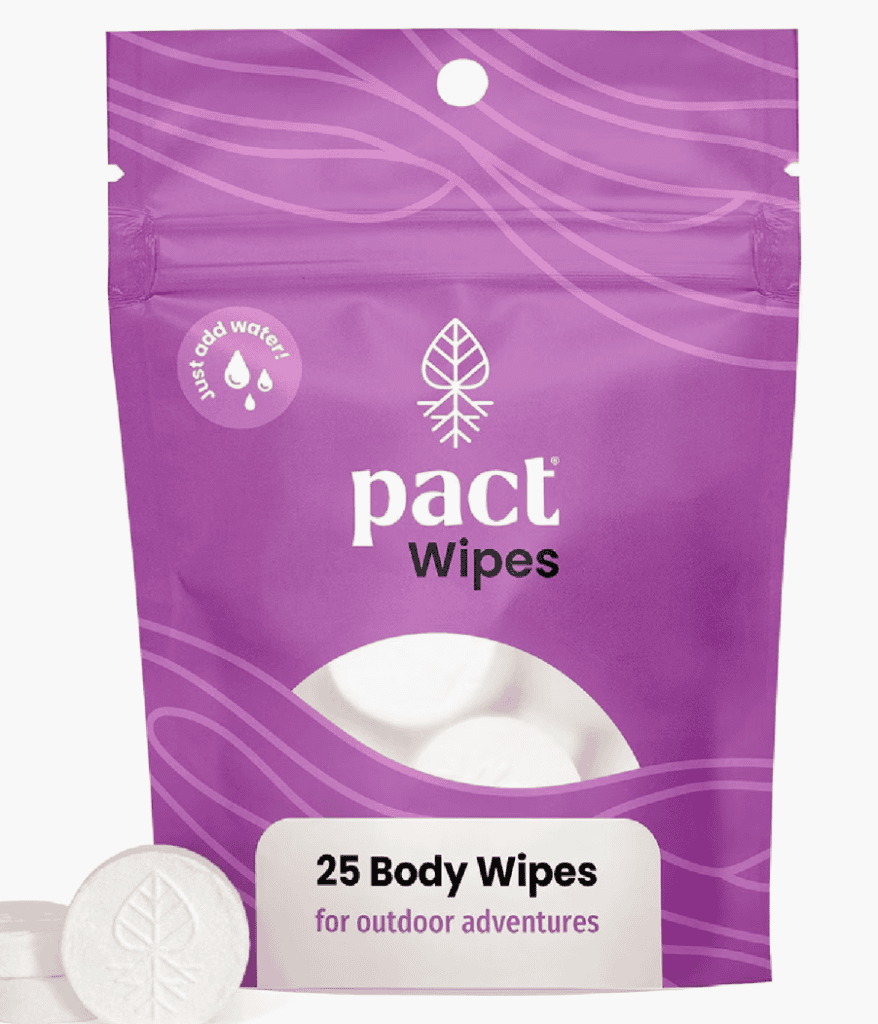
I carry about 1.8lbs of various toiletries and personal items, such as: my glasses, my contact lenses (a week’s worth at a time), a toothbrush, toothpaste, deodorant, sunscreen, hand sanitizer, bug spray and various toilettes / wipes. In order to abide by Leave No Trace principles, you must pack out what you pack in, and that includes toilet paper. I bring a combination of tissues and wet wipes that I then put in a little garbage bag and throw away when I’m off the trail. I bring wipes like Pact Wipes which use a little bit of water to rehydrate as well as the tradition ones in small packs.
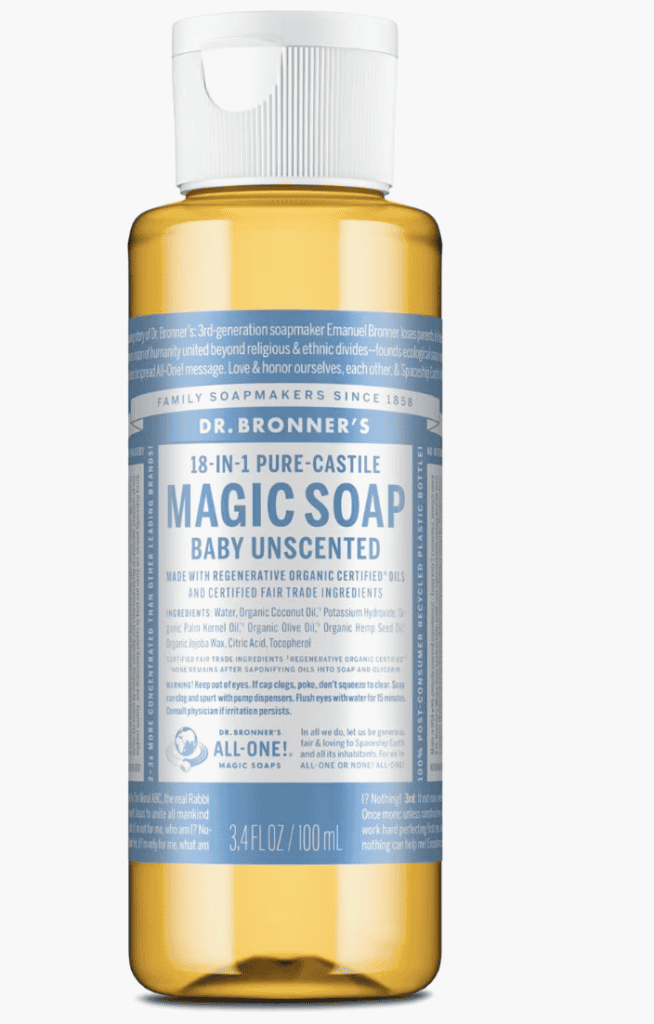
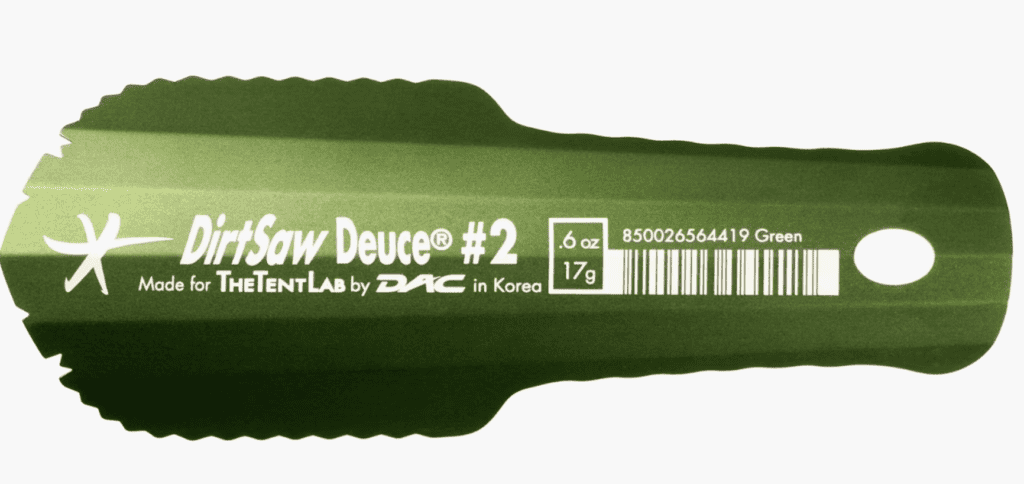
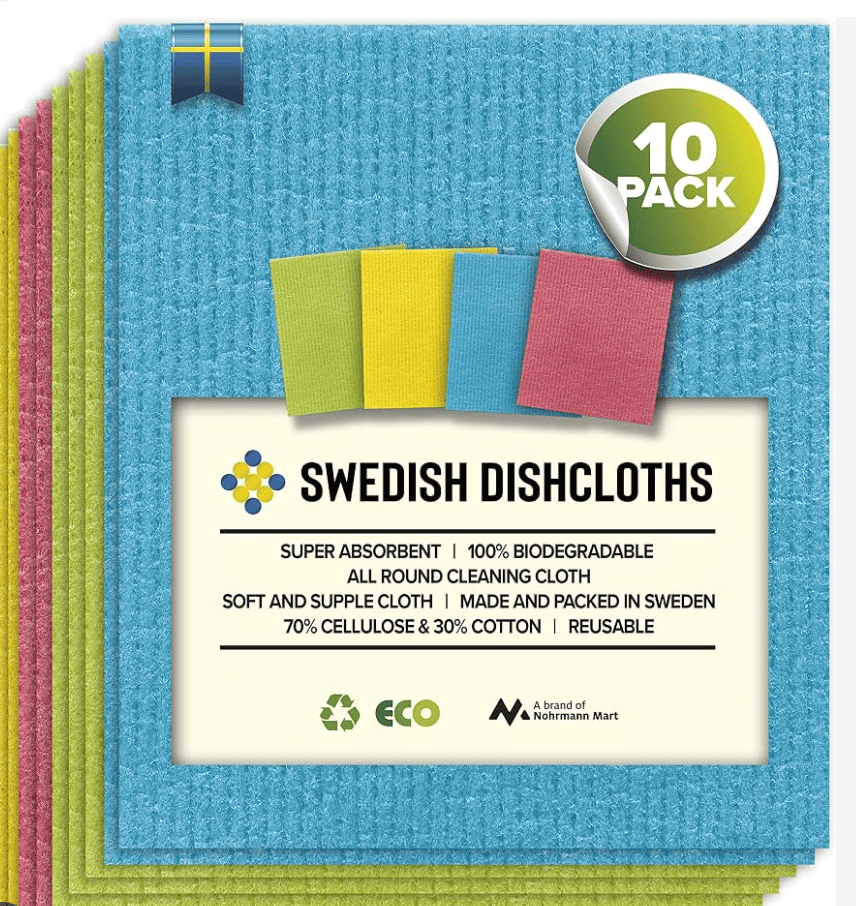
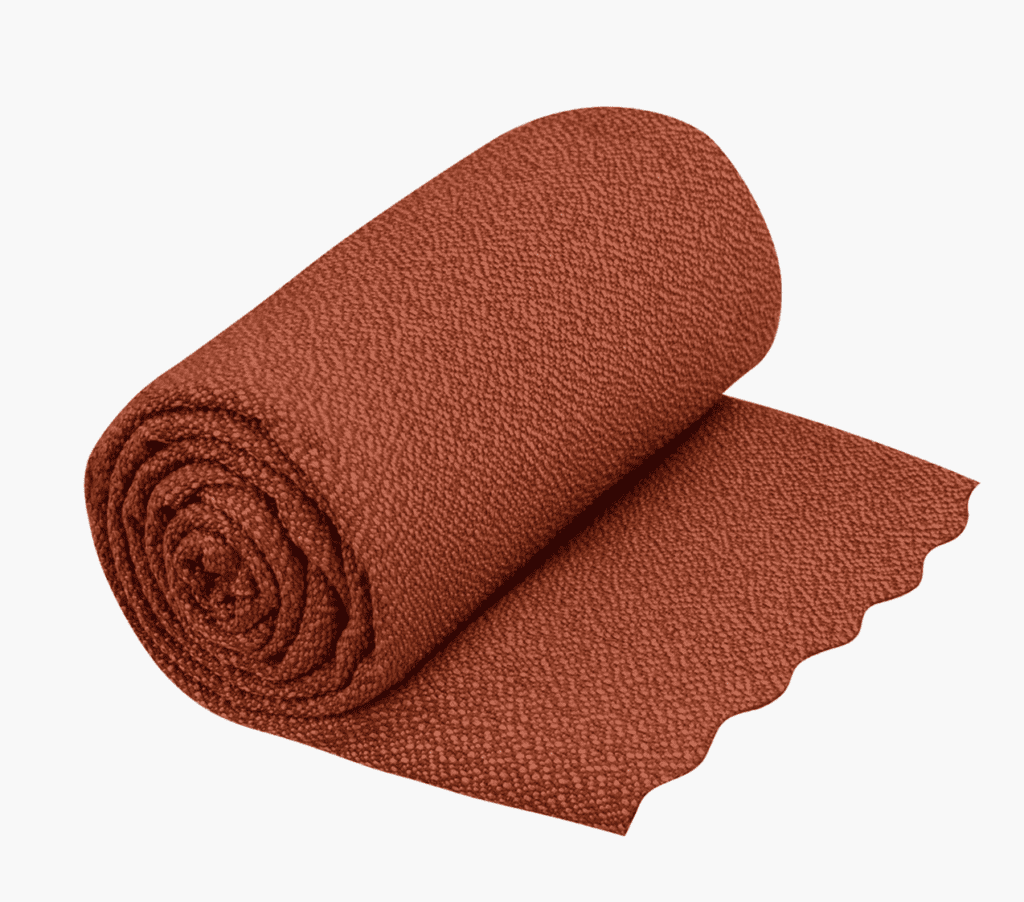
For keeping things tidy, I carry a swedish towel to wipe down the tent, a Kula cloth for feminine hygiene purposes, some Dr. Bronner’s soap for all types of cleaning needs, and a trowel for digging cat holes. I also have a tiny sea to summit towel.
Clothes
Definitely a dealer’s choice here, but this is the clothing that I love. All the clothes that I don’t wear on a given day weigh about 4.15lbs.
Worn Clothes:
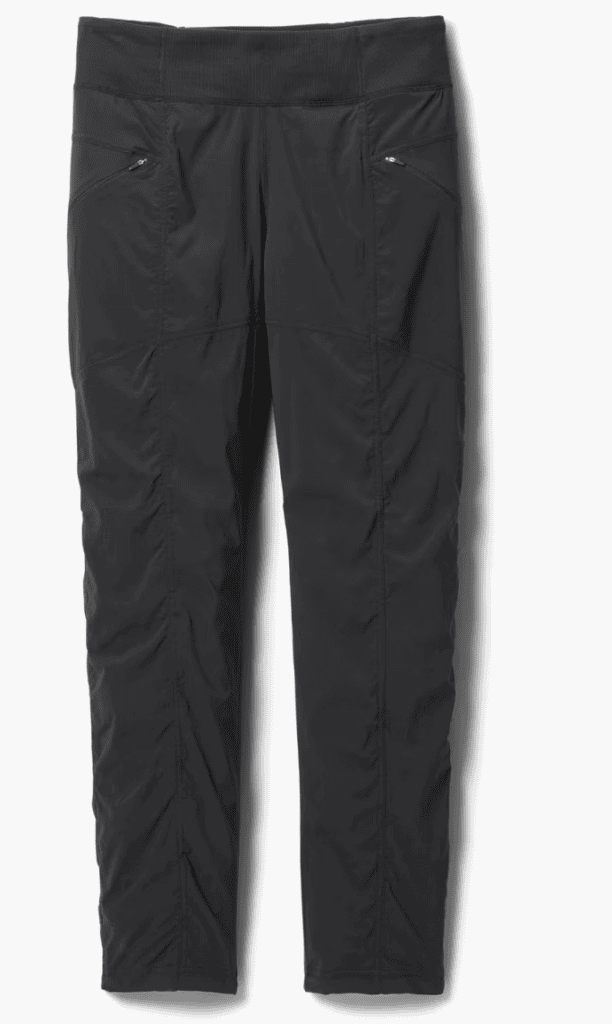
- Prana Koen Pants – great pockets, drawstring to tighten, comes in black so you don’t worry about dirt.
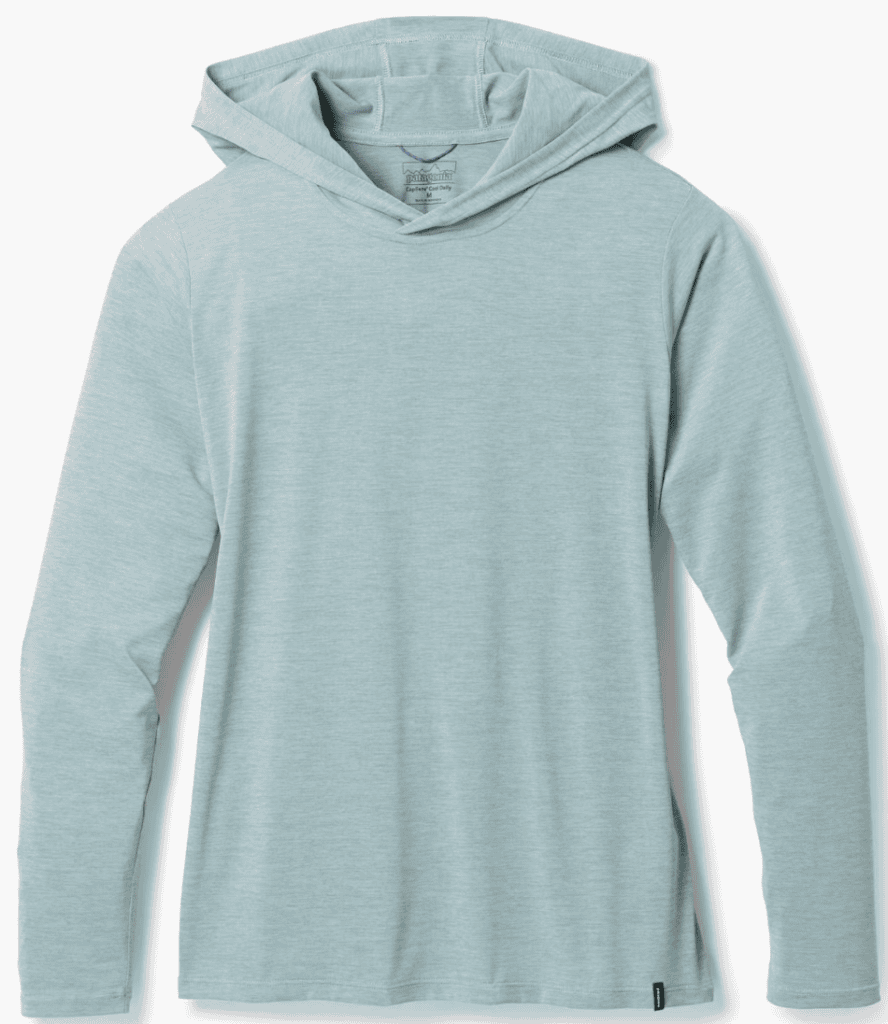
- Patagonia Capilene Sun Hoodie – lightweight and a sun hoodie means less sunscreen needed.
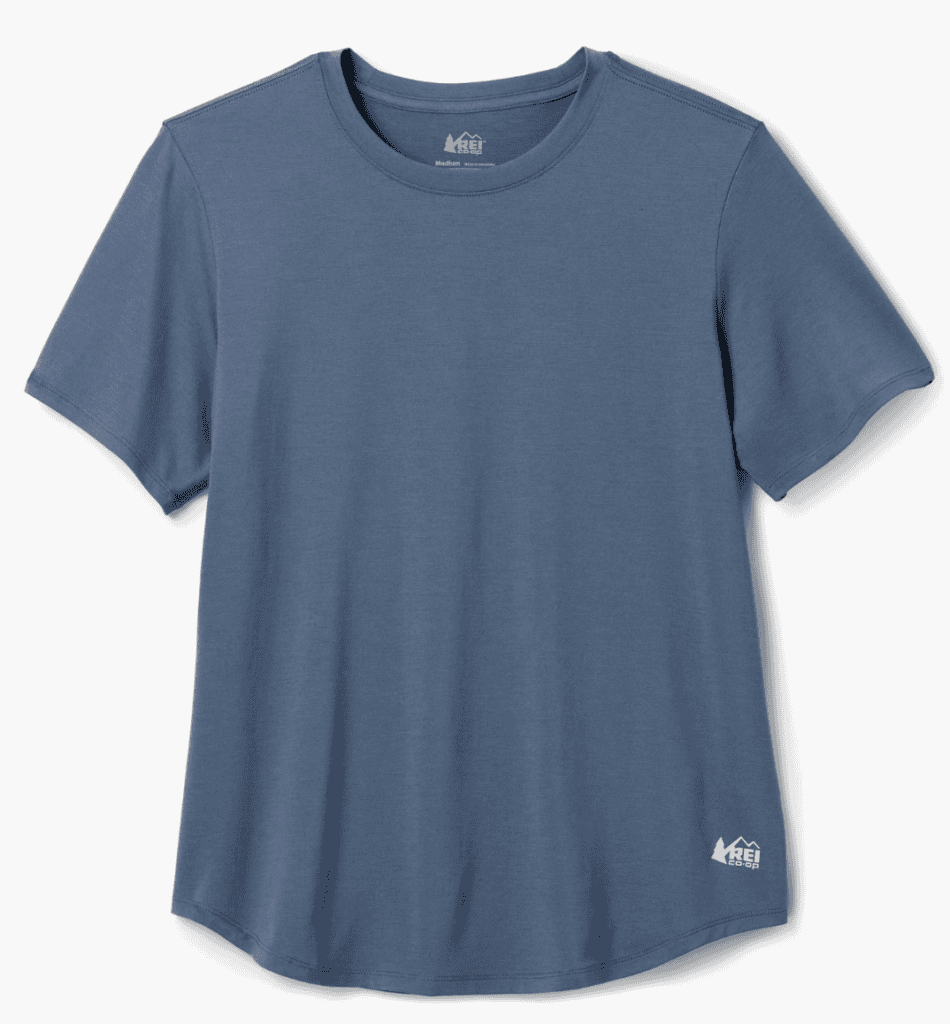
- REI Active Pursuits Tshirt – just a great light tshirt that is fast drying.
- Tilley Rain Cap – fits me great.
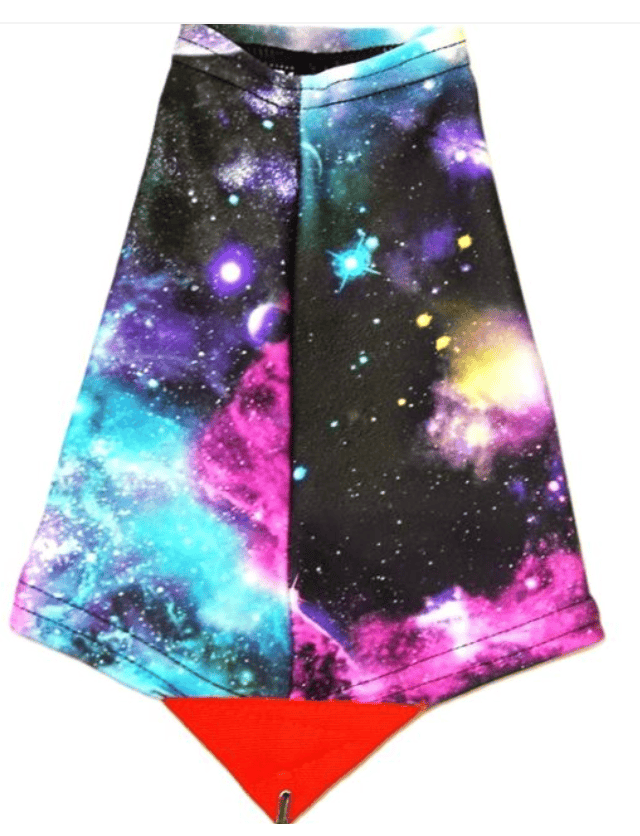
- Dirty Girl Gaiters – keeps sand and grit out of my shoes, looks fun and easy to put on and off and clean.
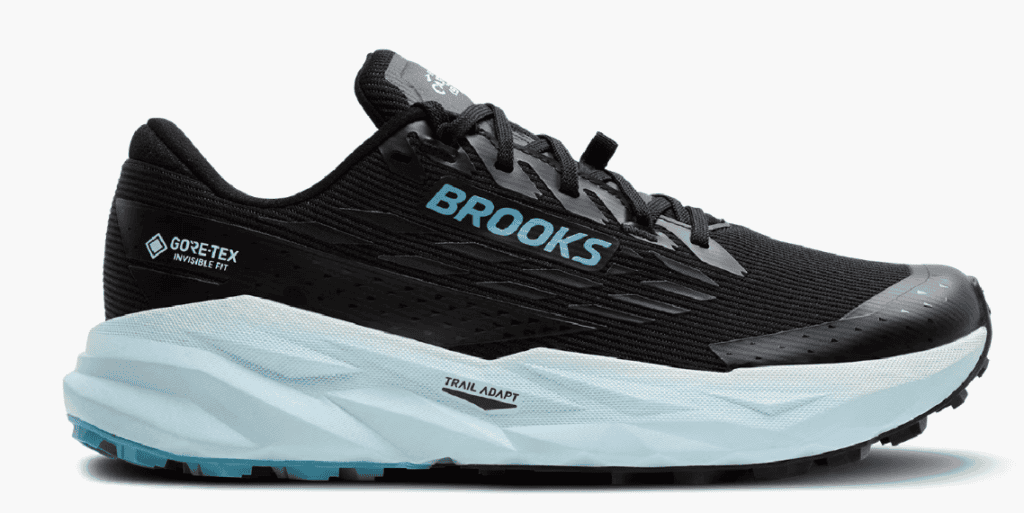
- Brooks Cascadia Trail Running Shoes – been breaking in multiple pairs over the last 6 months. Great tread and fits my orthotics well.
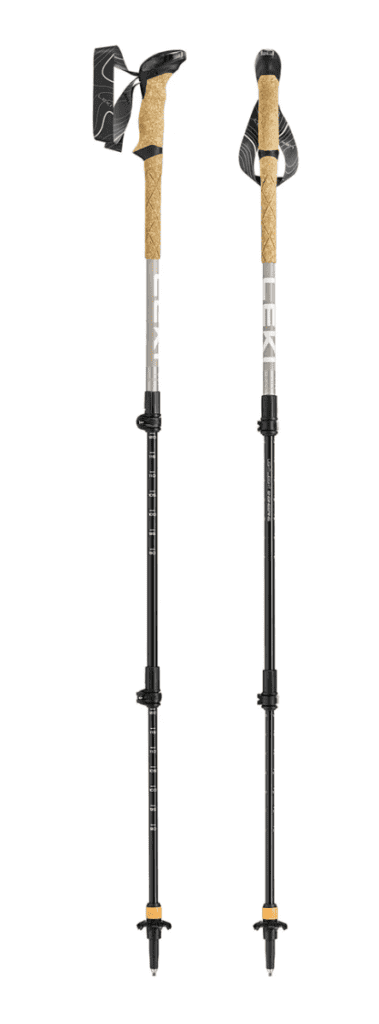
- Makalu Light Hiking Poles – Adjustable (important for my tent) and lightweight. I put duct tape and leuko tape around each as well.
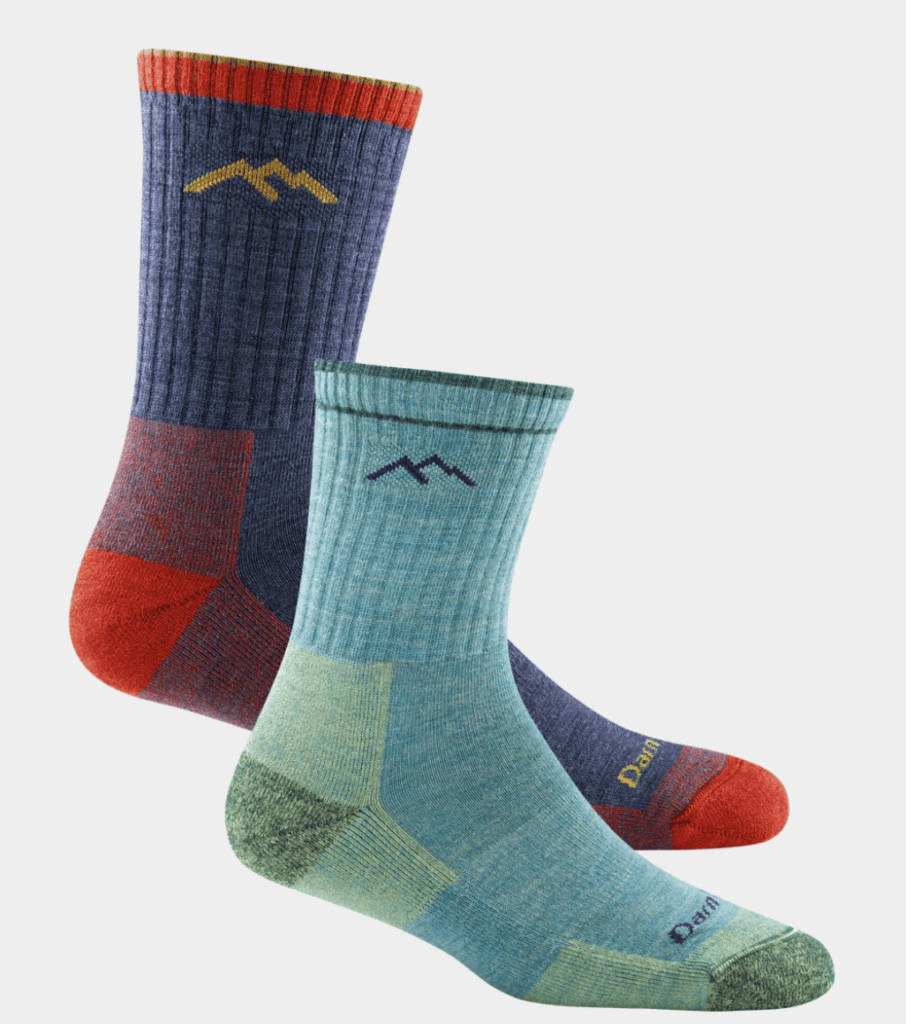
- Darn Tough Socks (x3) – cute and perfect merino wool socks with a lifetime guarentee.
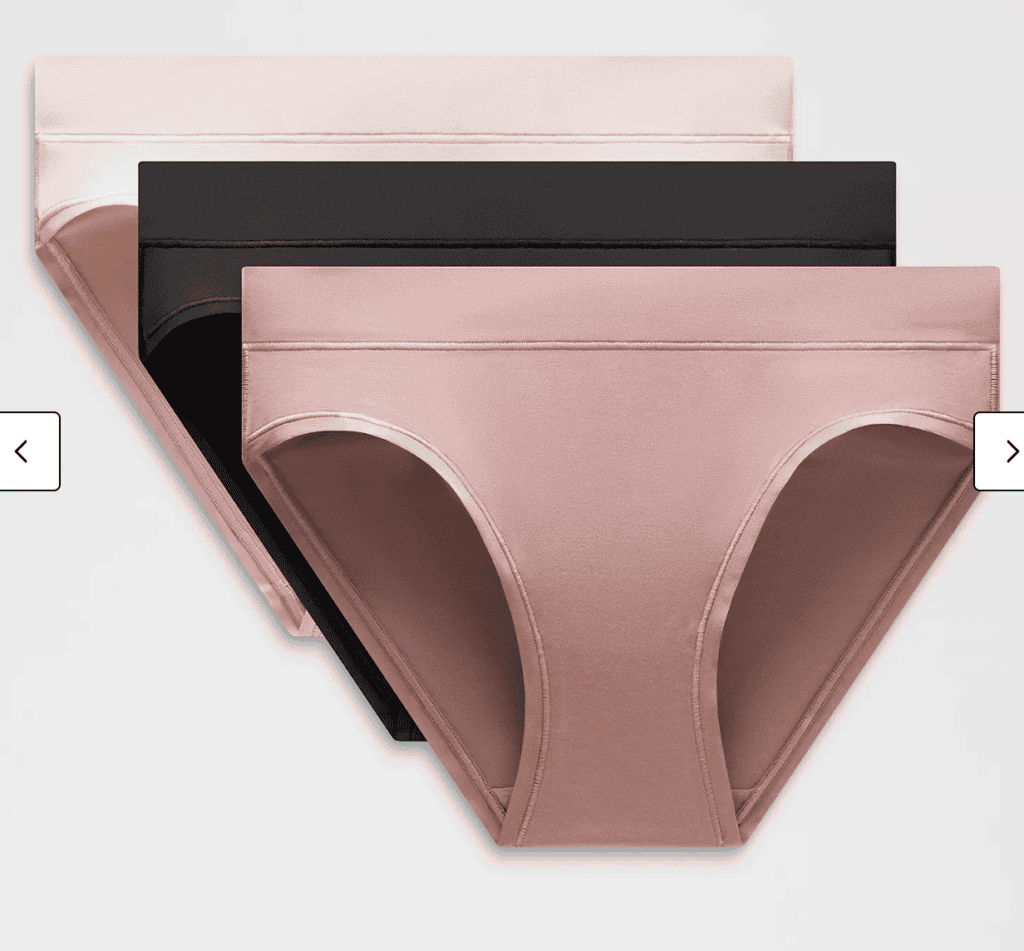
- Lululemon Underease Underwear (x2) – comfy and fast drying.
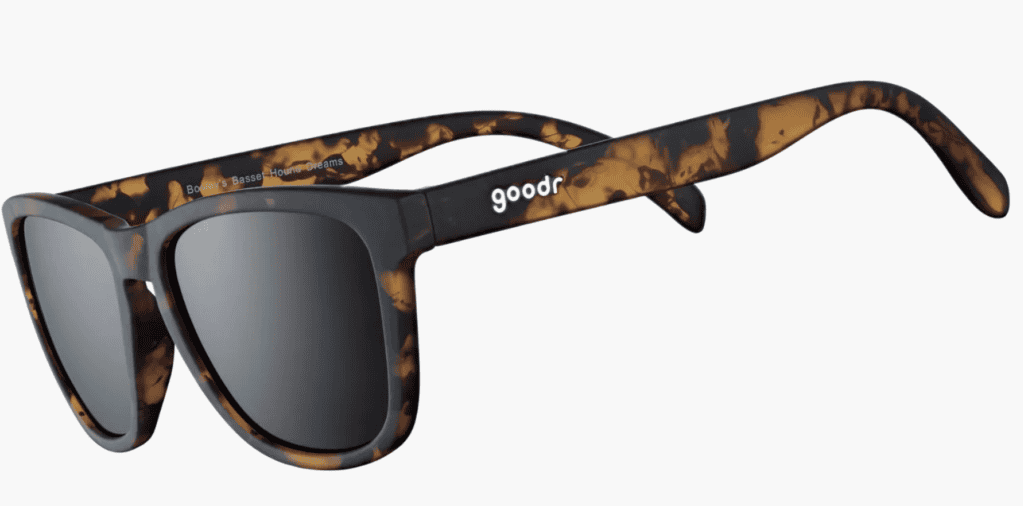
- Goodr Sunglasses – cute and polarized.
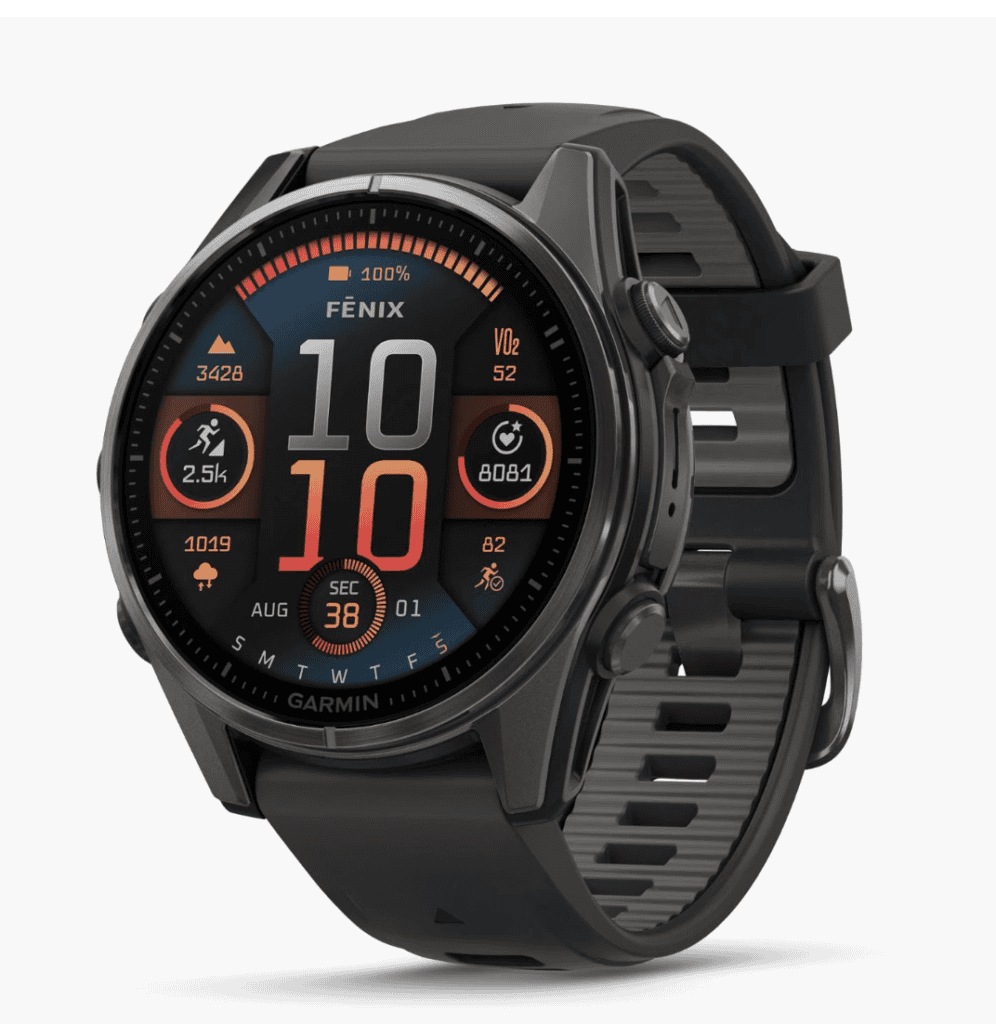
- fenix 8 AMOLED Sapphire watch – works with my Garmin InReach and tracks everything!
Packed Clothes:
These are the layers and things I need for either camp/sleeping, rain, or cold days.
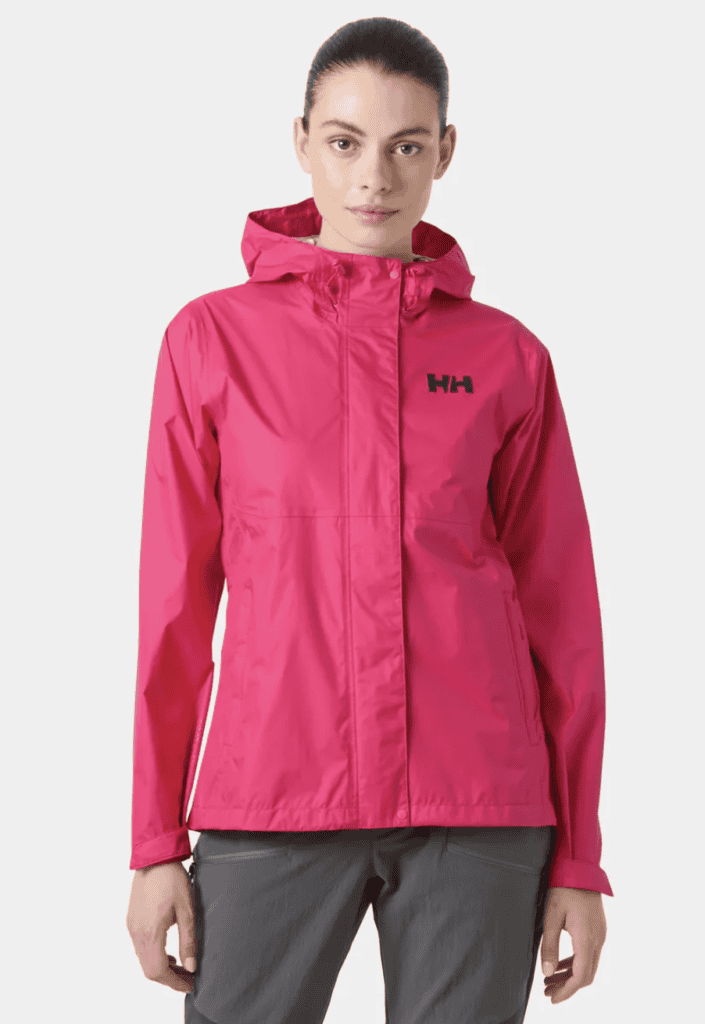
- Helly Hansen Loki Jacket – lightweight with lots of pockets and ventilation.
- Rain Skirt – so much easier to put on and off quickly!
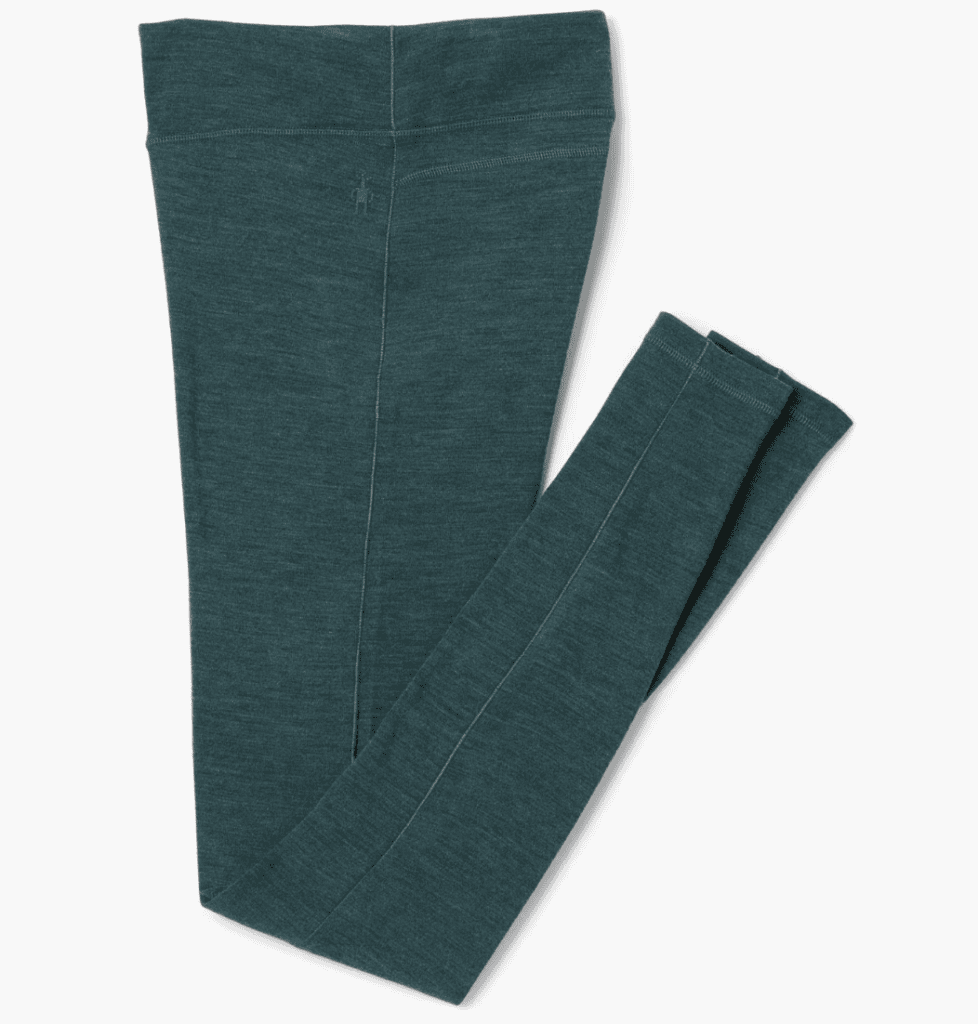
- Smartwool Classic Thermal Bottoms – quick drying and warm merino wool.
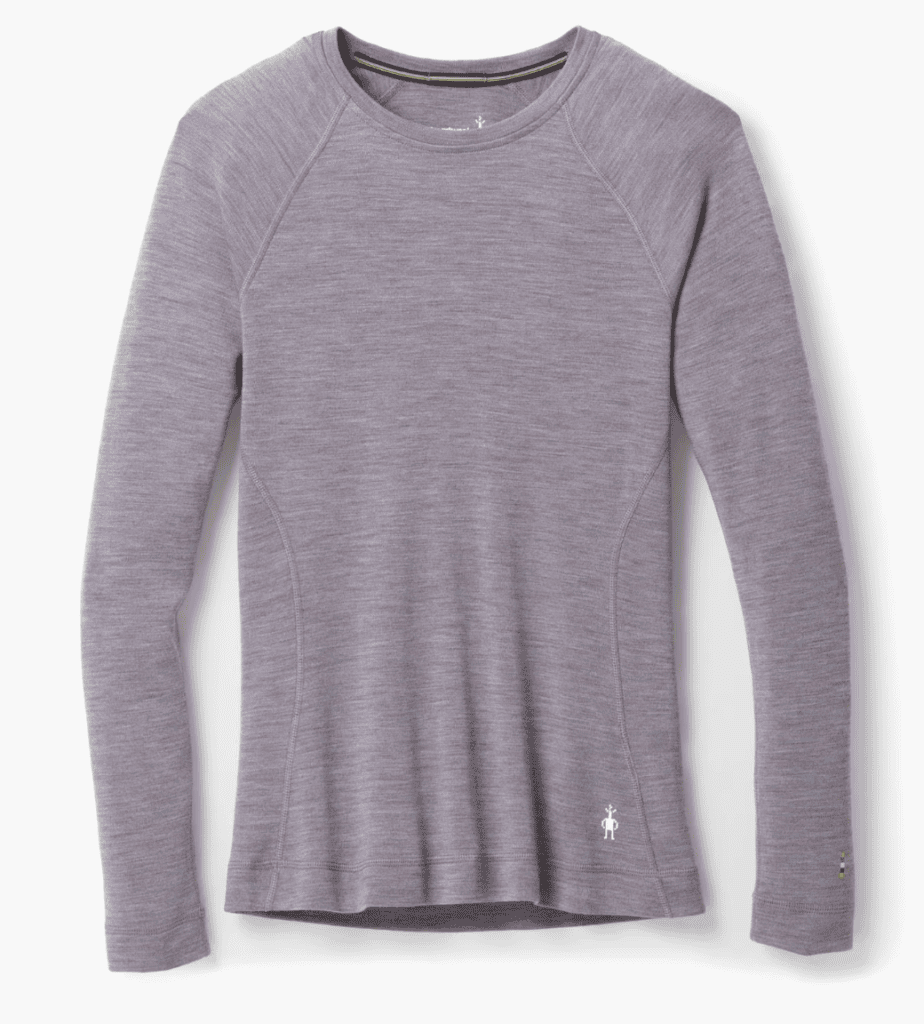
- Smartwool Classic Thermal Top – quick drying and warm merino wool.
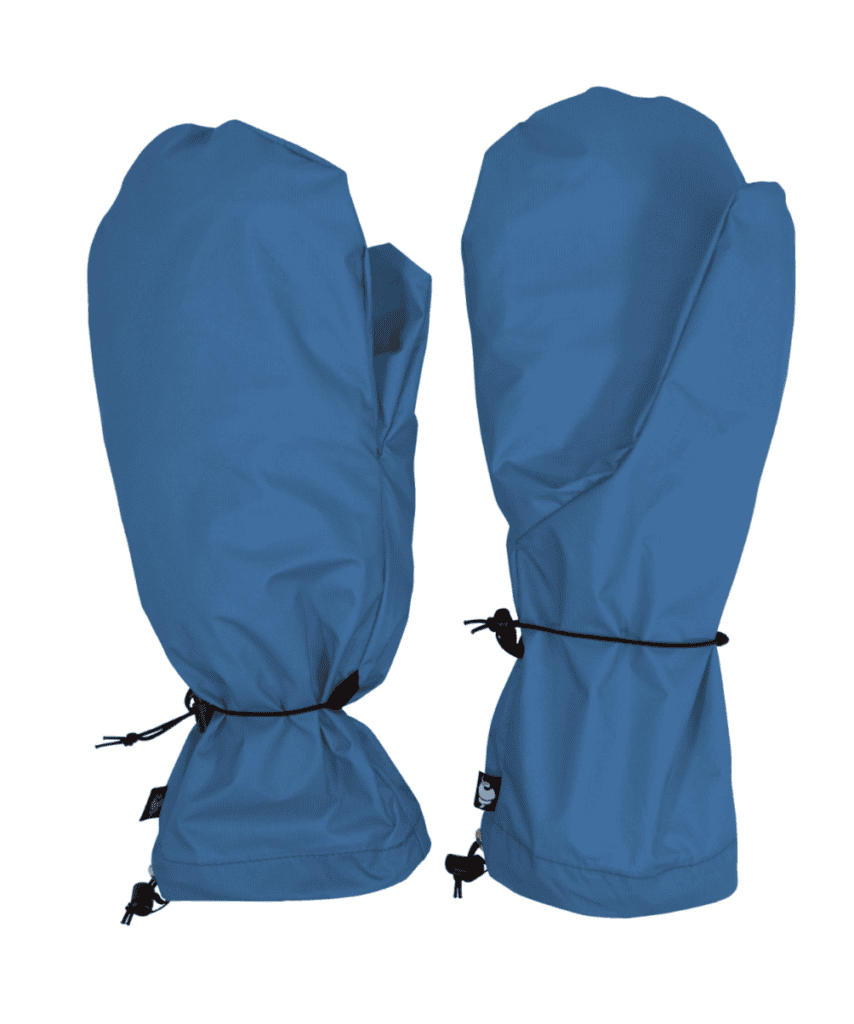
- Visp Rain Mitts – very waterproof and light and quick drying.
- Carhartt Beanie – sentimental :).
- Alpha Direct Hoodie 90 – a thru-hiker classic. Lightweight mid-layer warmth.
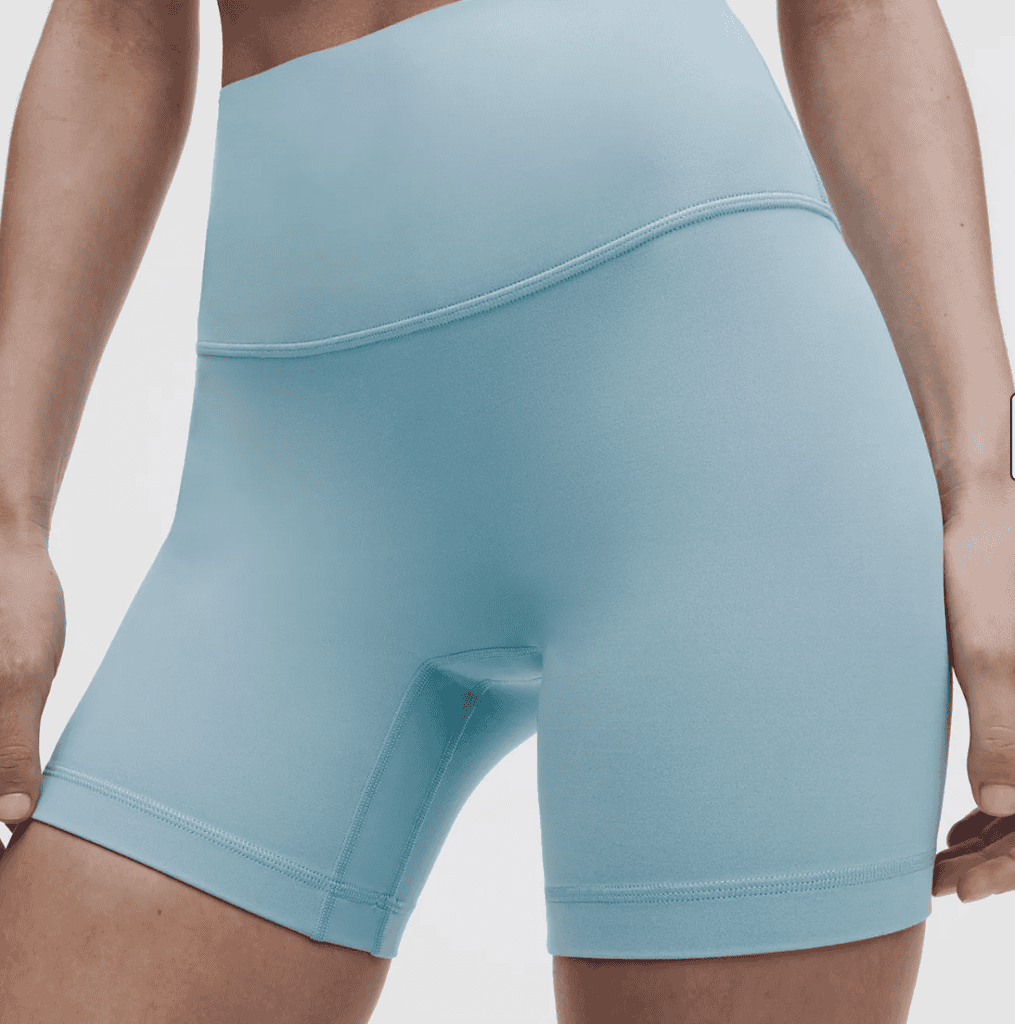
- Lululemon Align No Line Shorts – comfy and fast drying.
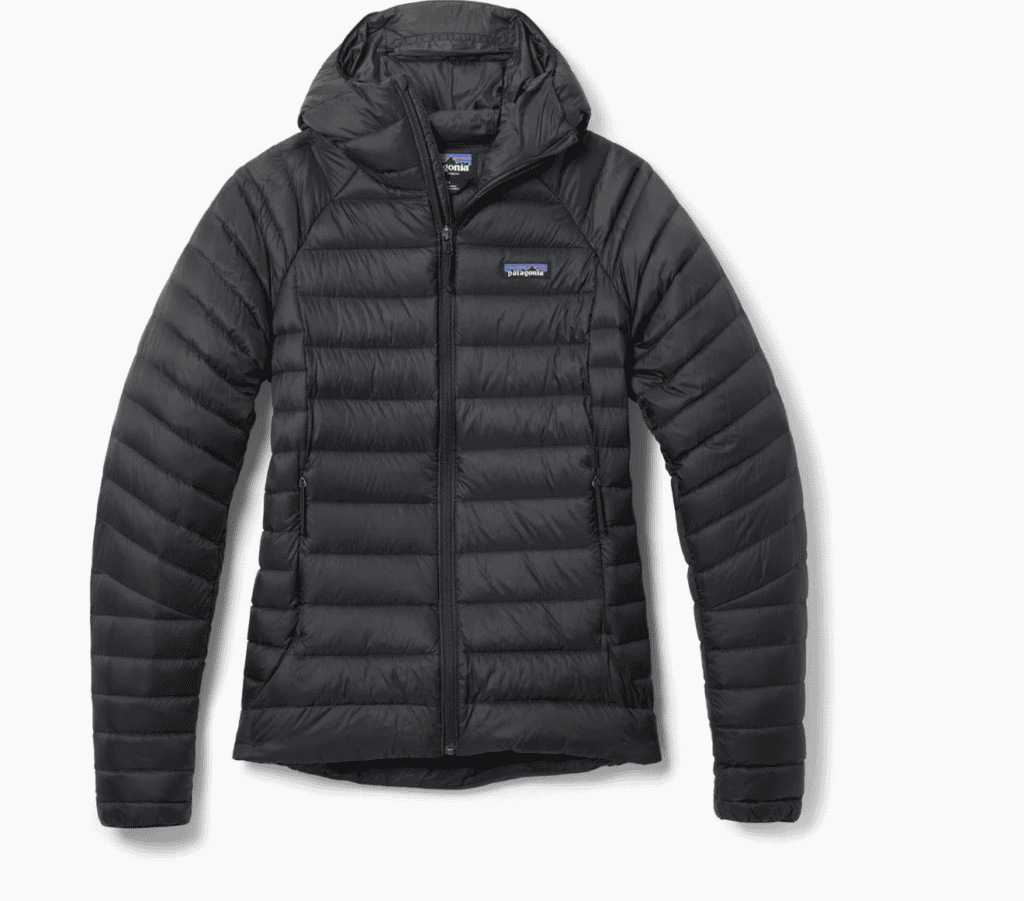
- Patagonia Down Sweater Hoodie – folds up small and super warm with 850 fill down.
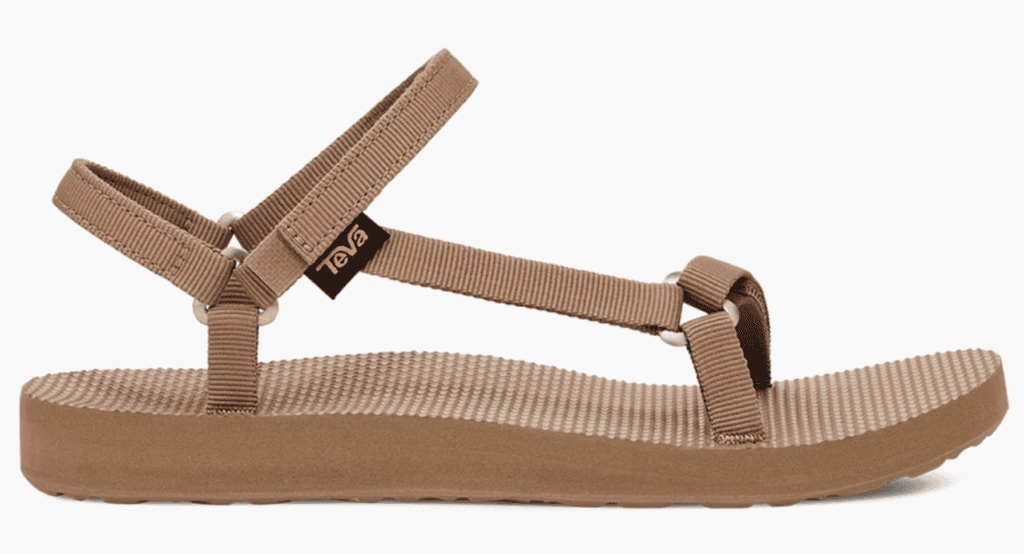
- Teva Universal Slim Sandals – comfortable, stable and light.
The full list with weights and all can also be found here.