The Perfect 3 Day Malta Itinerary
If you’re looking to plan the perfect 3 days in Malta, then in this post I’m going to share the exact itinerary we followed to experience a mix of history, coastal scenery, incredible food, and island adventures without feeling too rushed. Malta is quite compact, which means you can see a lot in a short amount of time if you base yourself strategically and avoid overcomplicating your trip.
Why go to Malta
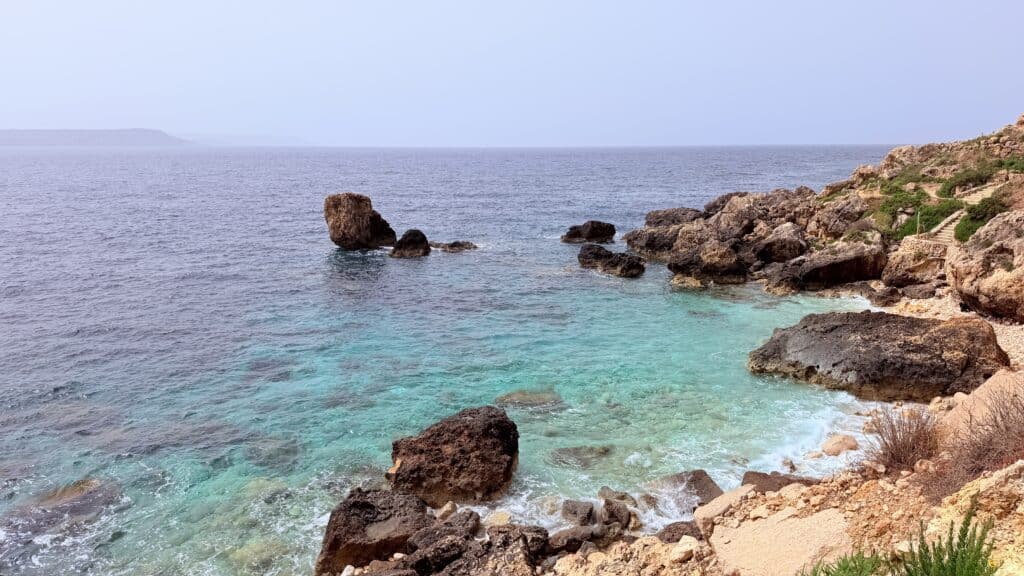
Malta is one of those destinations that feels different from anywhere else in Europe. The islands have a unique blend of Mediterranean, Arabic, Italian, and British influence that shows up in everything from the architecture and language to the food and pace of life. Even though Malta has become much more popular in recent years, parts of it still feel strangely overlooked, especially when it comes to its ancient history and archaeological sites. At the same time, the country feels very approachable and easy to travel through, making it a great option if you want somewhere that combines history, coastline, great weather, and relaxed island energy without needing weeks to explore it properly. Truthfully it really surprised me and I definitely plan to return to explore it further one day.
Where to Stay in Malta
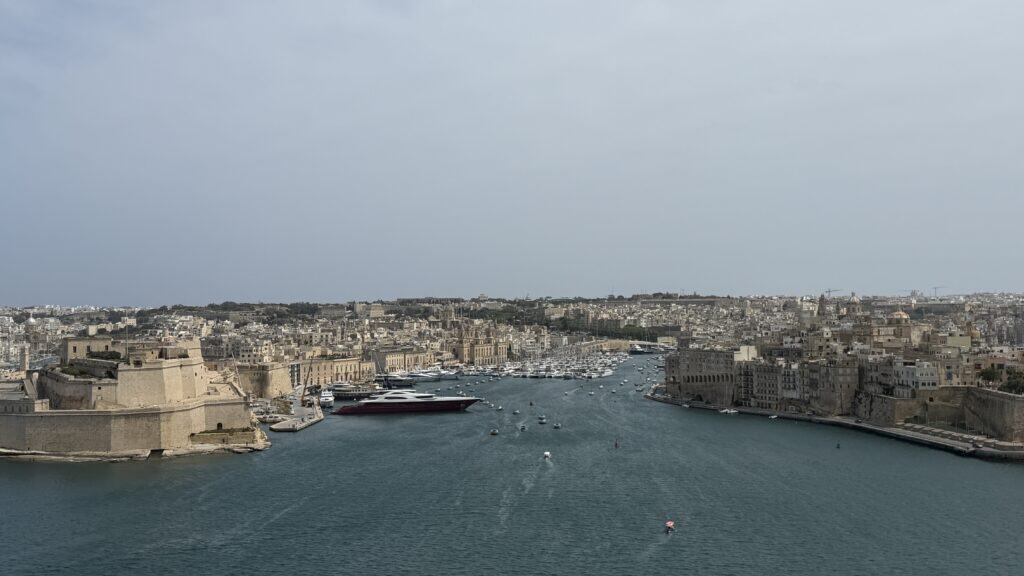
If you only stay in one place while visiting Malta, I would recommend making it Valletta. Not only is Valletta beautiful and full of energy, but it is also one of the easiest places to access transportation around the islands. From here, you can easily grab an Uber or Bolt to most major attractions, catch the fast ferry to Gozo, and spend your evenings walking between restaurants, bars, and historic streets.
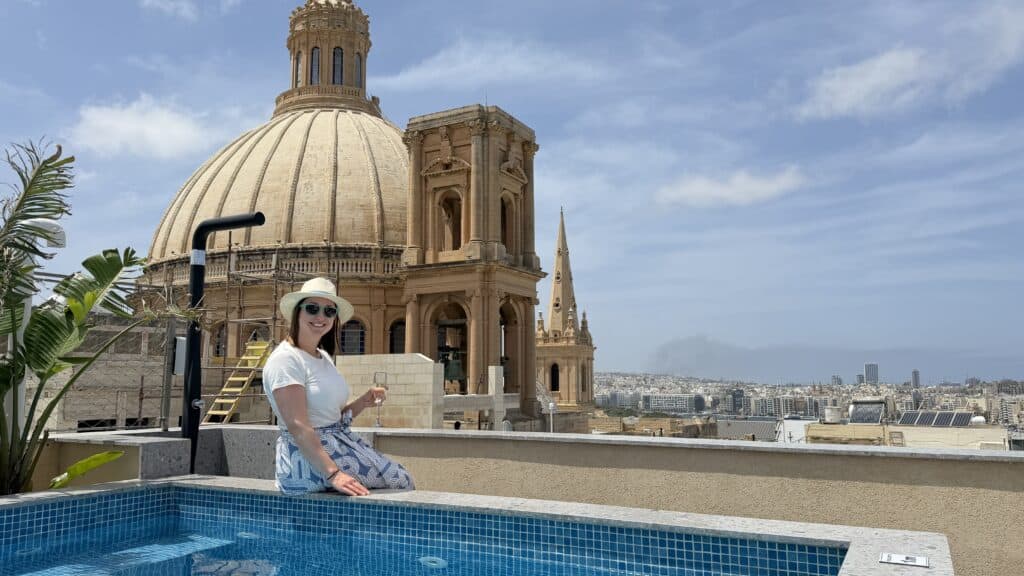
During our trip, we stayed at The Capital Boutique Hotel Valletta, which ended up being one of the highlights of the trip itself. The location was perfect because it sat on a quieter side street while still being only minutes from everything happening in the city. The rooftop views overlooking Valletta and the Mediterranean were incredible, the rooms were spacious and quiet, and the staff went above and beyond to make us feel comfortable throughout our stay. You can read my full review here: Where to Stay in Malta: The Capital Boutique Hotel Valletta.
If you have more than four or five days in Malta, splitting your time between Valletta and Gozo could also make sense. But for shorter trips, I think staying in one place makes the experience much more relaxing.
Day 1: Explore Valletta
Your first day in Malta should be all about exploring Valletta itself. Even though the city is relatively compact, there is a surprising amount to see, and simply wandering the streets is part of the experience.

Visit St. John’s Co-Cathedral
If you only have time for one major attraction in Valletta, make it St. John’s Co-Cathedral. From the outside, it looks fairly understated, but the interior is one of the most impressive churches I have visited anywhere in Europe. The detail throughout the cathedral is unbelievable, especially the ornate ceilings and marble floor made up of elaborate knight tombstones. Make sure you do not miss the Caravaggio painting and the crypt of the Grand Masters downstairs.

I would strongly recommend going early in the morning and buying tickets in advance because lines build quickly once cruise passengers and tour groups arrive. There is also a QR code inside that gives you access to a free audio guide. Give yourself at least two hours here because there is a lot to take in.
Walk Through the Upper Barrakka Gardens
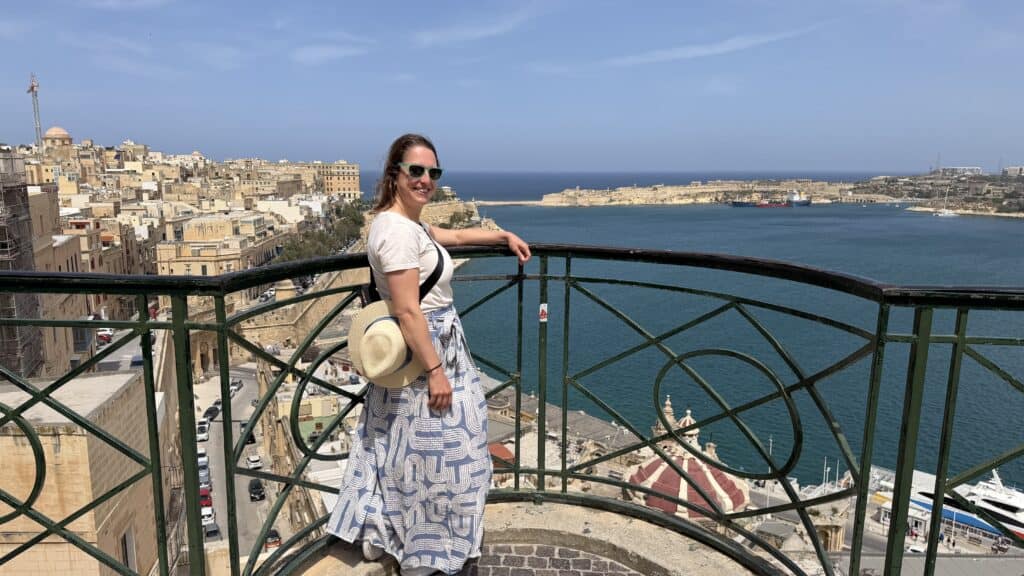
After the cathedral, head toward the Upper Barrakka Gardens for some of the best views in the city. The gardens overlook the Grand Harbour and are a great place to slow down for a bit after walking around Valletta’s busy streets. Depending on timing, you may also catch the Saluting Battery firing below.
Explore Fort St. Elmo
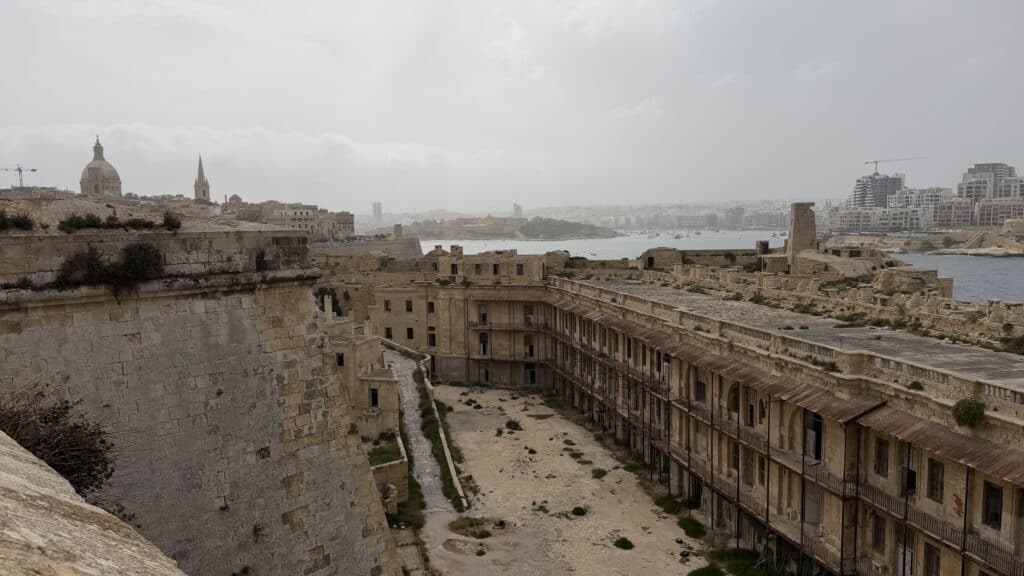
Next, make your way to Fort St. Elmo, home to Malta’s National War Museum. You could spend most of the day here if you are really interested in military history, but even spending a couple of hours is worthwhile. The fort itself is beautiful, and the views back toward Valletta and the harbor are amazing. The museum does a really good job explaining Malta’s strategic importance throughout history, especially during World War II.
Other Things to See in Valletta
If you still have energy afterward, you can also stop by the Grandmaster’s Palace or simply spend time wandering Valletta’s side streets and waterfront areas. One thing to keep in mind is that Valletta can feel extremely busy during the daytime because of cruise ship traffic. In the evenings, though, the city settles into a much more relaxed atmosphere, which ended up being my favorite time to explore.
Where to Eat in Valletta
One of the best things about Valletta is that you really do not need to overplan food. There are great restaurants, cafés, cocktail bars, and bakeries almost everywhere you turn.

We especially enjoyed grabbing casual bites from Grano for sandwiches and stopping by San Paolo Naufrago for pizza. For dessert, Mamma Misu was great for tiramisu, while Mettlina had one of the best cupcakes I’ve eaten in my life.
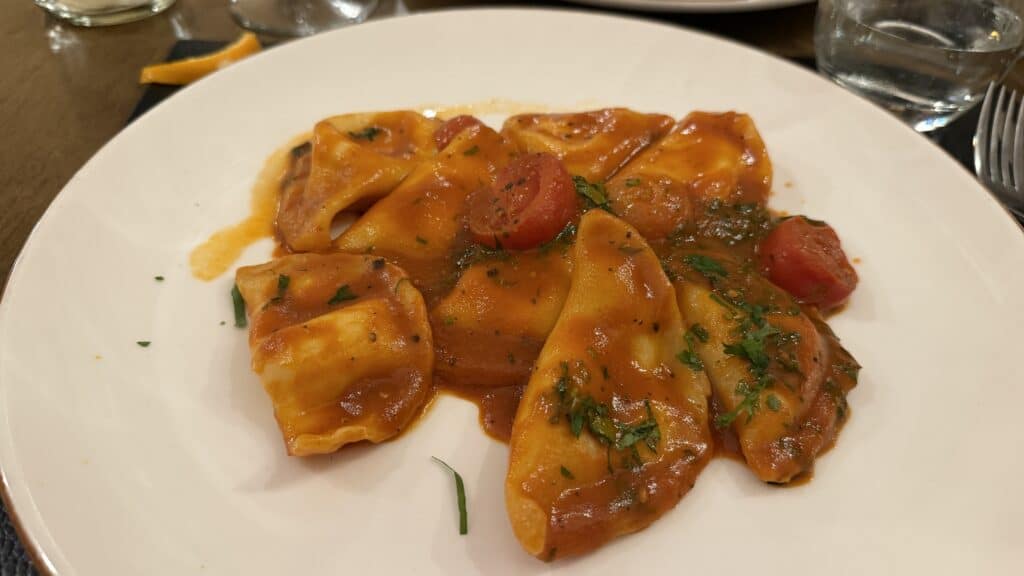
The food market, Is-Suq Tal-Belt, is also worth visiting if you want a variety of food options in one place. Tas-Soli has incredible Maltese local dishes (including rabbit and horse for the culinary adventurous), and Babel Bistro has great local music.
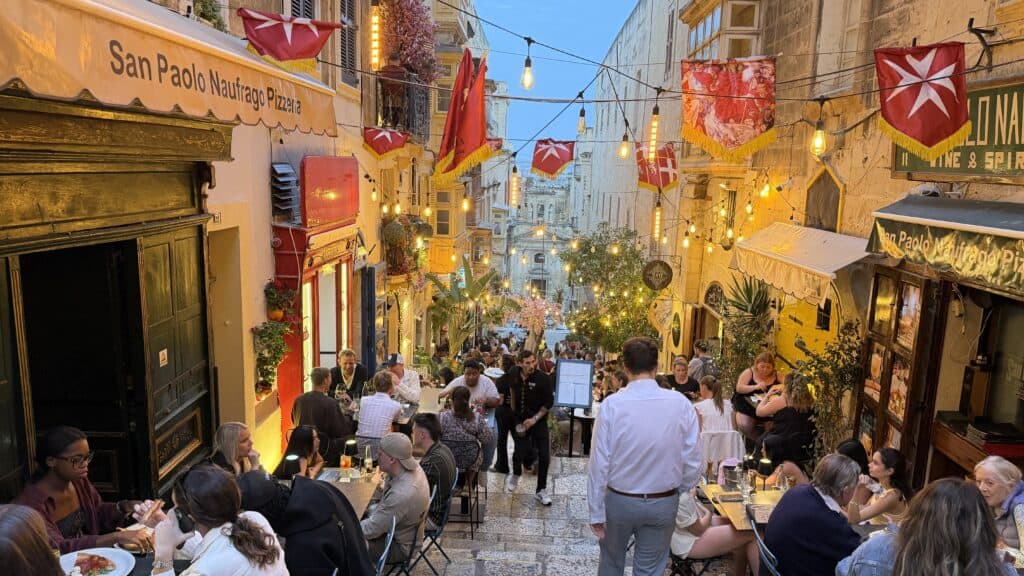
In the evenings, many bars along the main streets offer happy hour specials and Aperol spritz deals, making Valletta a really fun city for casual drinks and people watching.
Day 2: Explore Malta Beyond Valletta
One of the best things about Malta is how easy it is to get around. We originally considered renting a car, but I am very glad we did not. The roads are narrow, parking can be frustrating, and driving on the left side of the road adds another layer of stress if you are not used to it. Instead, we used Uber and Bolt throughout the trip, and it worked perfectly. Most rides between major attractions only cost a few euros, and even the longer trips were affordable. For a full day ubers and criss crossing the island, we spent about 70 euros.
Visit Mdina Early
Start your day with a quick ride to Mdina, Malta’s historic walled city often nicknamed the Silent City. I would recommend going early before tour groups arrive because it becomes much busier later in the day. You do not need more than an hour or so here unless you are stopping for lunch or spending extra time photographing the streets.
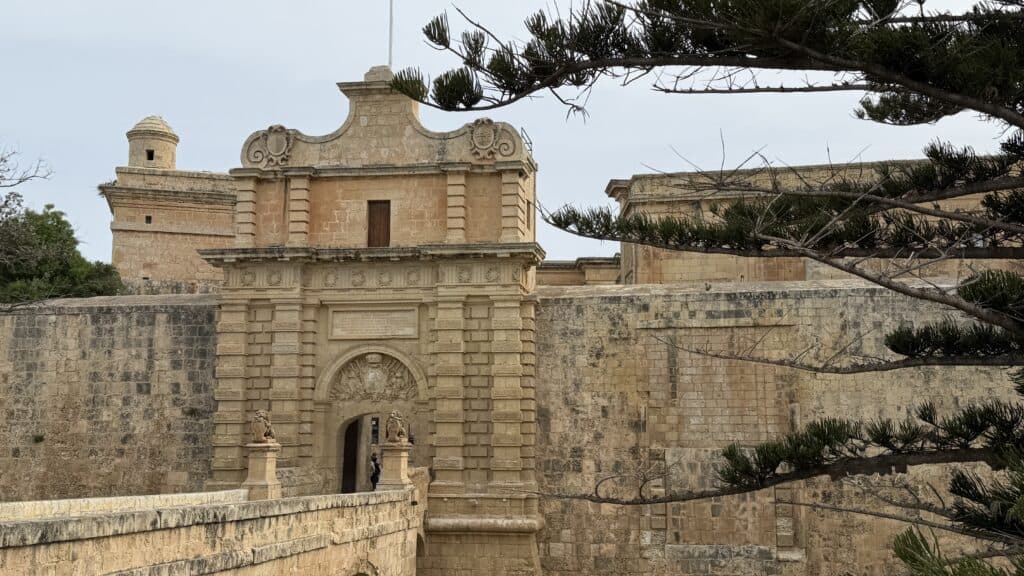
Mdina feels very different from Valletta. It is quieter, less commercialized, and has a slower atmosphere that makes it enjoyable to simply wander without much of a plan. Compared to Valletta, there are fewer tourist shops and less chaos, which gives it a much calmer atmosphere overall. You can also take one of the horse-drawn carriage tours around the city, though the old town itself is compact enough to explore easily on foot.
Walk the Dingli Cliffs
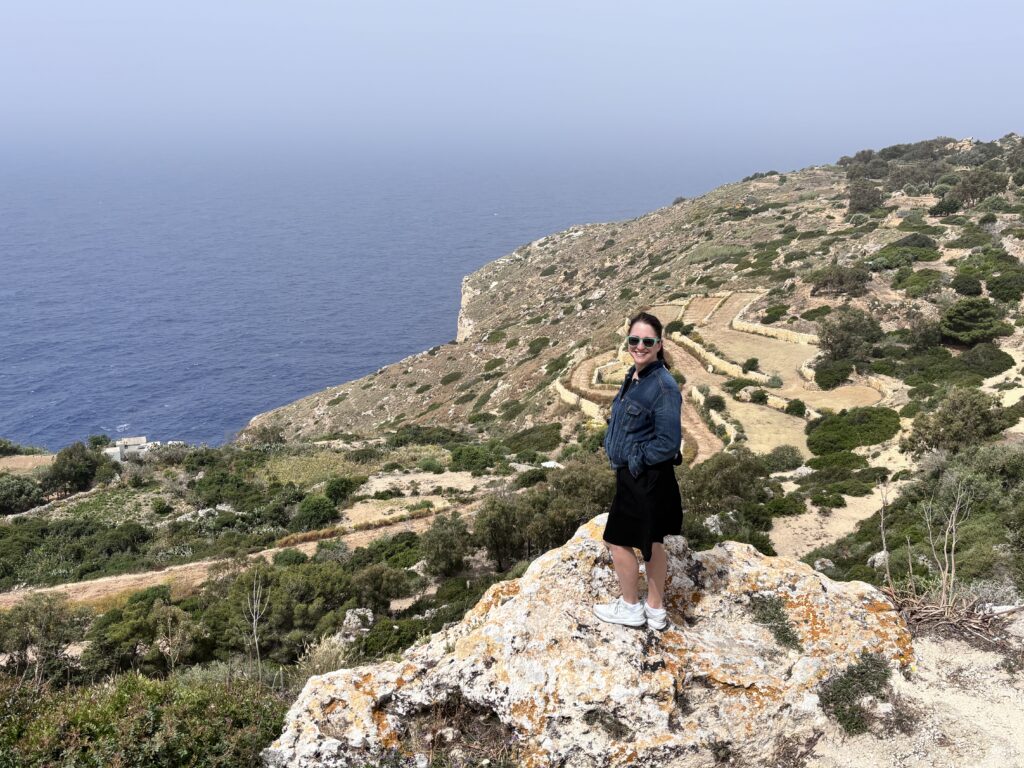
From Mdina, continue toward Dingli Cliffs. The cliffs offer some of the best coastal scenery on the island, and the walk itself is relatively easy. Even spending an hour here gives you a chance to take in the dramatic coastline and open sea views. Compared to Valletta, this part of Malta feels much quieter and less crowded.
Stop at the Blue Grotto
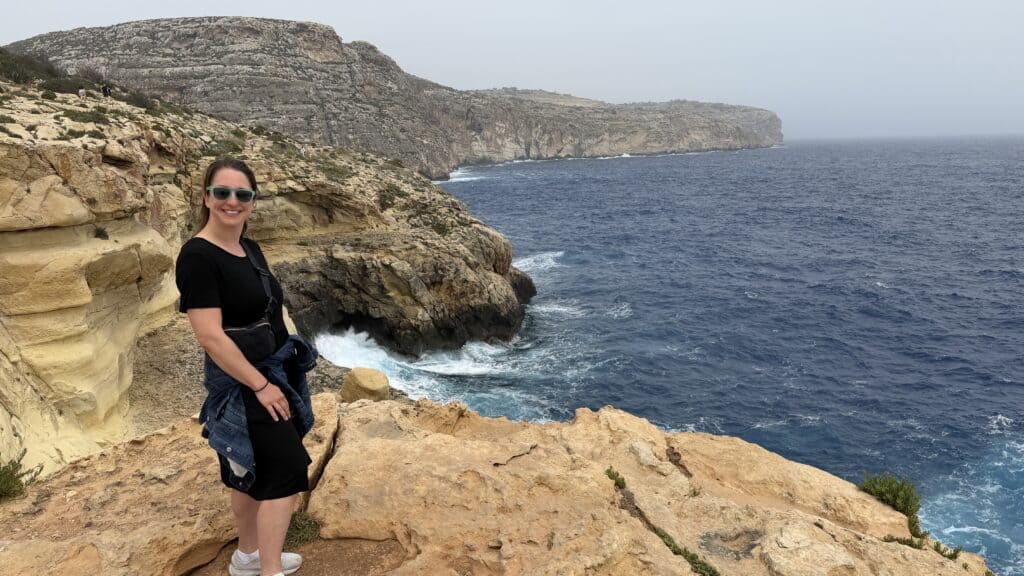
Next, head down toward Blue Grotto. Even if you do not take a boat trip into the caves, the viewpoints overlooking the water are beautiful and worth the stop. We had lunch nearby at Azul, which ended up being one of our favorite meals during the trip.
Visit Ħaġar Qim and Malta’s Neolithic Sites
Finish the day at Ħaġar Qim. Seeing Malta’s Neolithic temples ended up being one of the biggest highlights of the entire trip for me. These structures are older than both the pyramids and Stonehenge, which is kind of wild to think about while standing there in person. Malta really should be more famous for this part of its history because the archaeological sites here are world-class, yet they still feel underrated compared to similar ancient sites elsewhere in Europe.
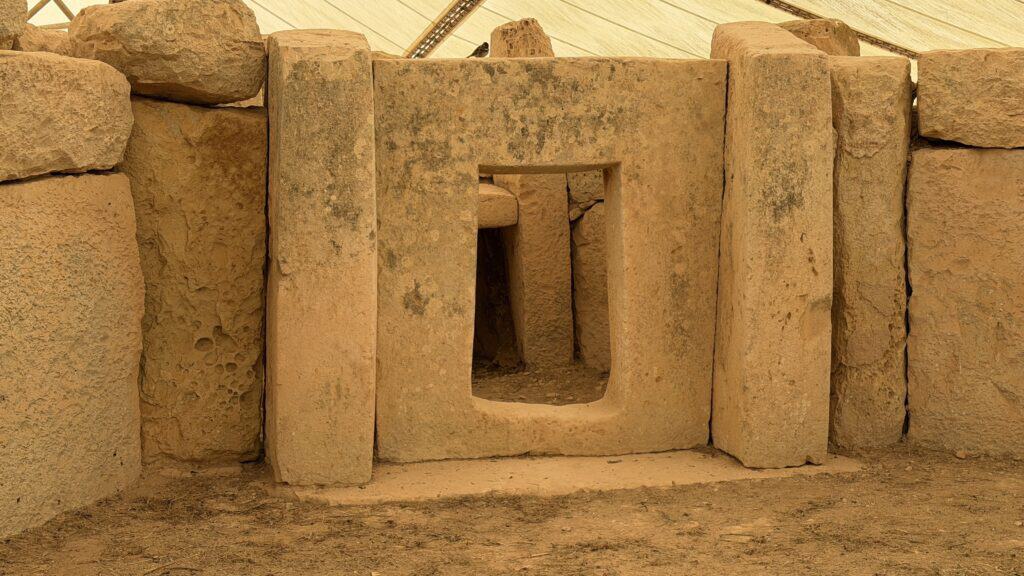
The temples themselves are incredibly impressive, especially when you start realizing how massive and advanced these structures were for their time. Give yourself at least two hours here, though you could easily spend longer if you enjoy reading through the exhibits and taking your time exploring the grounds.
If you are especially interested in Malta’s prehistoric history, another place worth considering is Ħal Saflieni Hypogeum, an underground Neolithic burial complex that many people consider one of the most remarkable archaeological sites in Europe. I did not manage to visit during our trip, but I wish I had planned ahead for it because it sounds like an incredible addition to the Neolithic experience in Malta. One very important thing to know is that tickets for the Hypogeum often sell out well in advance due to strict visitor limits, so if it interests you, book as early as possible.

Day 3: Day Trip to Gozo and Comino
Your final day should be dedicated to exploring Gozo and potentially Comino as well. The fast ferry from Valletta makes this incredibly easy. Tickets are inexpensive, the crossing only takes around 45 minutes, and the ferry terminal is within walking distance of most Valletta hotels. The ride can be a little bumpy depending on weather conditions, so if you want a better seat, it is worth arriving early before boarding begins.
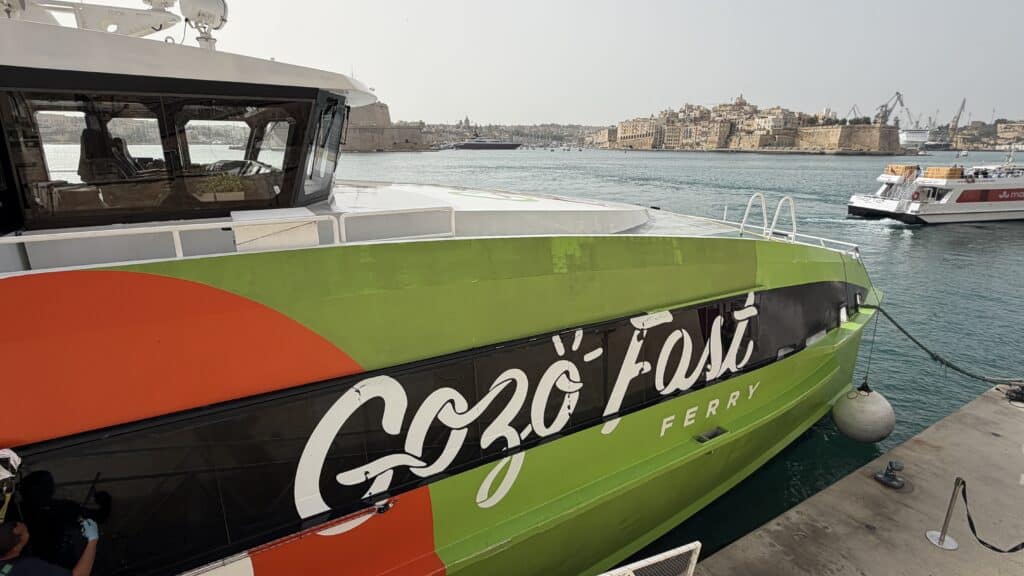
Visit Comino and the Blue Lagoon
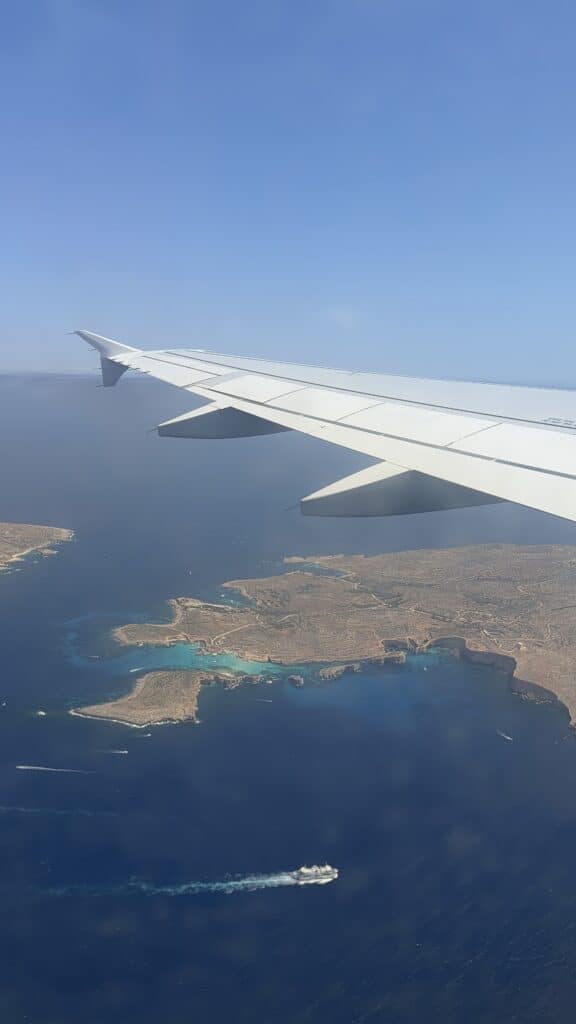
If swimming and snorkeling are priorities for you, booking a boat tour to Comino and the Blue Lagoon is probably the best use of your day. The water here really is as turquoise as the photos make it look, and many tours include snorkeling stops around the island. Booking tours in advance is usually the safest option during busier months, though there are sometimes opportunities to arrange trips once you arrive in Gozo as well.
Explore Gozo Instead
If you would rather spend the day exploring Gozo itself, there are still plenty of great options. You can take local buses around the island, join a hop-on-hop-off tour, or rent an ATV or scooter if you want more flexibility.
One of the easiest activities is simply hiking along the coastline near the ferry terminal on the Gozo Coastal Trail. Within about an hour, you can reach beautiful viewpoints overlooking the sea, and there are small beaches nearby if you want to stop for a swim. Other worthwhile stops around Gozo include the Blue Hole, Ġgantija, and the main city of Victoria. Unless you are spending multiple days in Gozo, I do not think bringing a rental car over is necessary.

Extra Time in Malta
If you have a fourth day in Malta, I would either spend more time relaxing in Gozo or head toward the northern part of the main island. Other places worth considering include St. Peter’s Pool and the fishing village of Marsaxlokk in the south.
If you have closer to a week in Malta, another good option could be splitting your stay between Valletta and Gozo. That said, for shorter trips, I think staying in Valletta the whole time is the simplest and most efficient option.
Frequently Asked Questions About Visiting Malta
Is 3 days enough in Malta?
Yes, I think 3 days in Malta is enough to see many of the major highlights if you plan efficiently and stay somewhere central like Valletta. That said, I do think 4 to 5 days would be ideal if you want a more relaxed pace or extra time in Gozo.
Where should I stay in Malta?
For first-time visitors, Valletta is the best place to stay in Malta. It gives you easy access to ferries, restaurants, nightlife, and transportation around the island while still offering plenty to do within the city itself. We stayed at The Capital Boutique Hotel Valletta, which made an excellent base for exploring Malta.
Do you need a car in Malta?
No. We used Uber and Bolt throughout the entire trip and found them affordable and reliable. Parking in Valletta is limited, the streets are very narrow, and driving on the left side of the road can add unnecessary stress for shorter trips. If you do want the flexibility of having your own vehicle, you can compare rental options.
Is Valletta too touristy?
During the daytime, Valletta can definitely feel busy, especially when cruise ships are in port. But in the evenings, the atmosphere changes quite a bit and feels much more relaxed. If you want quieter historic streets during the day, Mdina offers a calmer alternative.
Is Gozo worth visiting?
Absolutely. Even as a day trip, Gozo feels noticeably different from the main island. It is quieter, greener, and slower paced, with beautiful coastal scenery and excellent hiking opportunities.
Should you stay overnight in Gozo?
If you have 5 days or more in Malta, I do think spending a night or two in Gozo could be worthwhile. But for shorter trips, staying in Valletta the whole time is easier and more efficient.